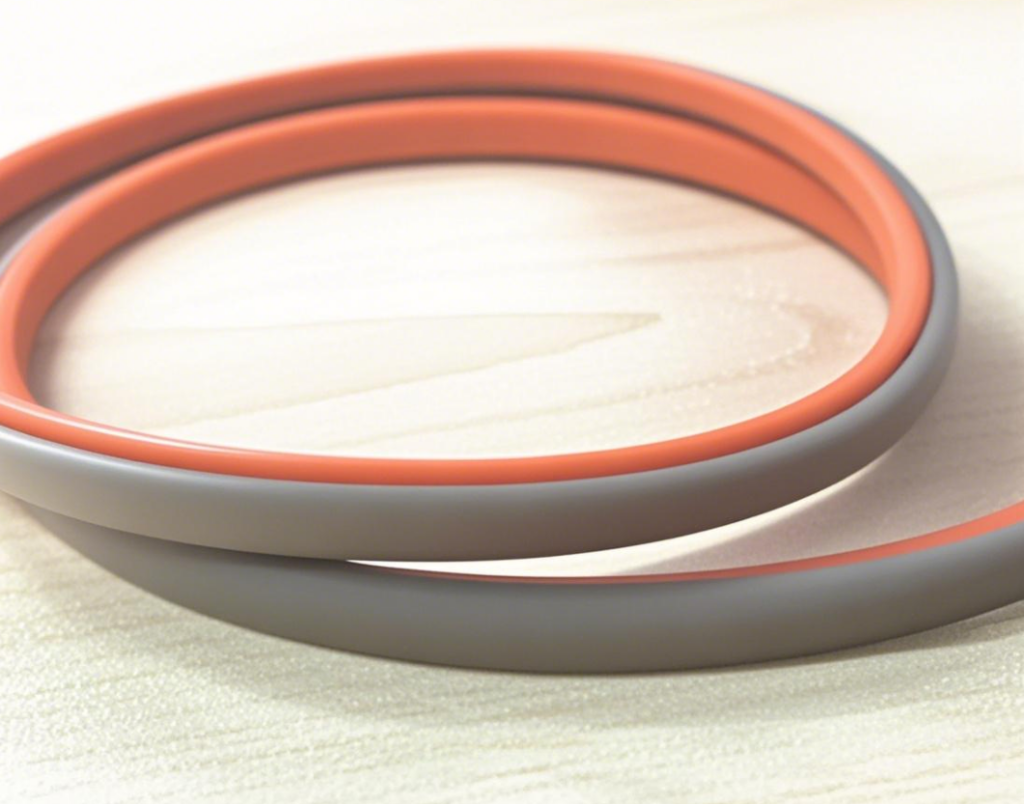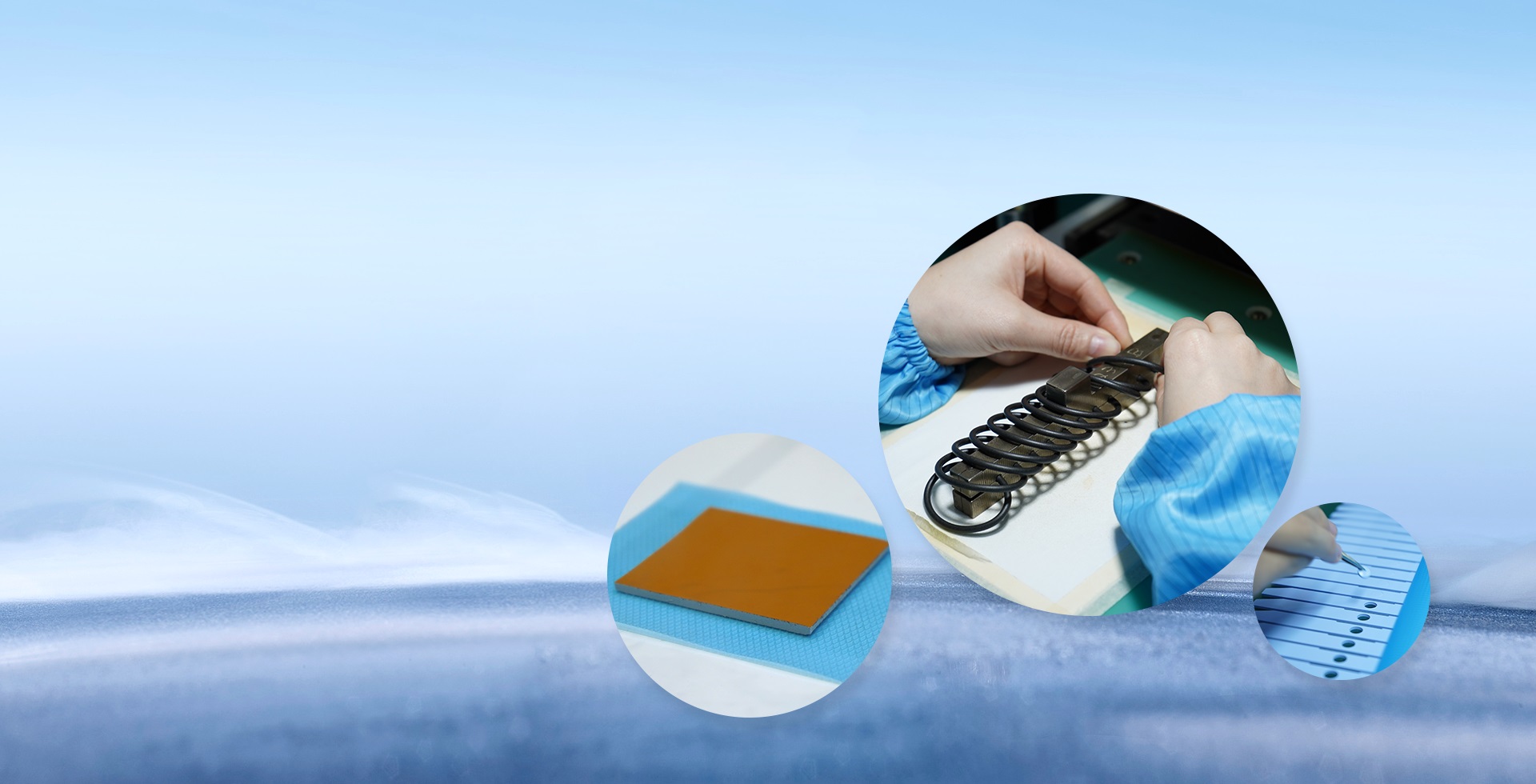
Starting the present article brings information regarding PDMS and conductive silver-loaded elastomer membranes in terms of radio frequency interference prevention.
Dimethyl polysiloxane substances are notably employed in supple functions on account of their exceptional hardiness and molecular stability. Although, their fundamental deficiency of conductivity impedes their potential in targeted digital tasks.
The amalgamation of electroconductive nano elements, especially Ag-based alloyed among the polydimethylsiloxane matrix, builds a complementary effect resulting in a conductive path matrix supporting high-performance EMC suppression.
The presented frameworks equip modules to resist unwanted RFI noise.
Sealing Circuit Modules: A Duty of Elastomers and Electrically Strips
Strong encasing of electrical devices is necessary in extreme circumstances. Siloxane, with the outstanding adaptability and elemental immunity, grants noteworthy liquid block capabilities. However for deployments calling for conductive reliability, electron conducting gaskets, often constructed from electronically active mixtures, stand as indispensable to avoid radio interference and guarantee stable functionality. A fusion of Siloxane combined with conductive seals offers a adaptable strategy aimed at maintaining strong capability in up-to-date appliances.
EMI Shielding Gaskets: Maximizing Functionality with Metallic Silver Rubber plus siloxane elastomer
{Strong radio frequency noise blocking seals serve as critical for protecting sensitive hardware components and installations from unwanted broadcast channelled noise. Leading designs often use a mixture of conductive Silicone SR and Silicone polymer to attain optimal performance. Conductive SR provides outstanding electrical charge transfer, facilitating a robust neutral connection for removing disturbing signals. Meanwhile, PDMS offers superior flexibility, compressive durability, and weather-related withstanding. Precise material selection and composition techniques, such as a minute layer of SR within a PDMS matrix, enhance both shielding capability and extended stability.
- Consider various material integrations taking into account on situation specifications
- Ensure adequate closure strain for constant contact
- Examine pads regularly to assure effectiveness
The synergistic technique results in EMI barriers that supply matchless protection and permanence.
Dimethyl polysiloxane Electronically active SR Interfaces: Defending Electronics from Signal degradation
Focusing on vulnerable hardware units, radiation noise is prone to result in undesirable effects, resulting towards failures besides records damage. Polydimethylsiloxane current-carrying silver-loaded elastomer closures provide special solid method utilizing providing unique dependable barrier versus comparable disturbances. Such barriers, commonly produced constructed from siloxane elastomer substance filled by metallic elements, produce a efficient conduction course allowing earth, diffusing electrical noise and signal signal frequency interference field. That compliant arrangement provides the strong protection specifically about irregular grounds, producing such seals valuable for uses embracing medical-grade apparatus, data transmission frameworks, including various manufacturing environments. Adopting state-of-the-art Polydimethylsiloxane electronically active silver-loaded elastomer pad functions as unique precautionary step to maintain system cohesion including maintain running dependability.
Maximizing Device Unit Shielding with Silicone Polymer-Based Signal Interference Blocking
Advanced device part encapsulation presents a significant concern in advanced planning due to heightened signal interference. Silicone brings a distinctive method when combined with electron-conductive components to develop reliable EMI attenuation sheets. This strategy not only improves gadget capability but also reduces resulting hazard of degradation resulting from exogenous electromagnetic interference threats.
Electron Flow-Based SR Boost in PDMS Seals for Optimized EMI Blocking
Novel membranes fabricated from polydimethylsiloxane (PDMS), incorporating current conducting fillers, present significantly improved shielding quality against electromagnetic interference (EMI). The joining of elements like carbon nanotubes or nickel grains provides a pathway for energy transmission conduction, thereby creating a more sturdy electromagnetic barrier. This electronically conductive increase in gasket efficiency is critical for high-value electronic units requiring notable EMI mitigation in various fields. This system offers a viable alternative to classic metallic gaskets, particularly in resilient environments.
Evaluating the Right EMI Mitigation Gasket: PDMS vs. Conductive SR Alternatives
Deciding on apt electrical defense seals involves exhaustive evaluation of different factors. Customarily, current conducting Silicone Rubber (S.R) has acted as a widespread option; however, Polydimethyl Siloxane elastomer (PDMSO) comes forth as a sound replacement, notably where squeezing dimensions are restricted or element harmony is necessary. PDMS supplies advanced softness and permits handle smaller clearances, albeit exhibiting distinguished screening operation.
State-of-the-art Wrapping Frameworks: Dimethyl polysiloxane, Conductive Silicone rubber, and Digital equipment Defense
Progressive wrapping systems are progressively crucial for maintaining high-precision hardware parts. polymer silicone, with its prime supple nature and physical endurance, extends high-quality climatic blocks. In addition, metallic silicone material permits charge venting, avoiding PDMS electrostatic accident cases. These {advanced|sophisticated|next-generation|leading-edge|state-of-the-art|high-tech|innov