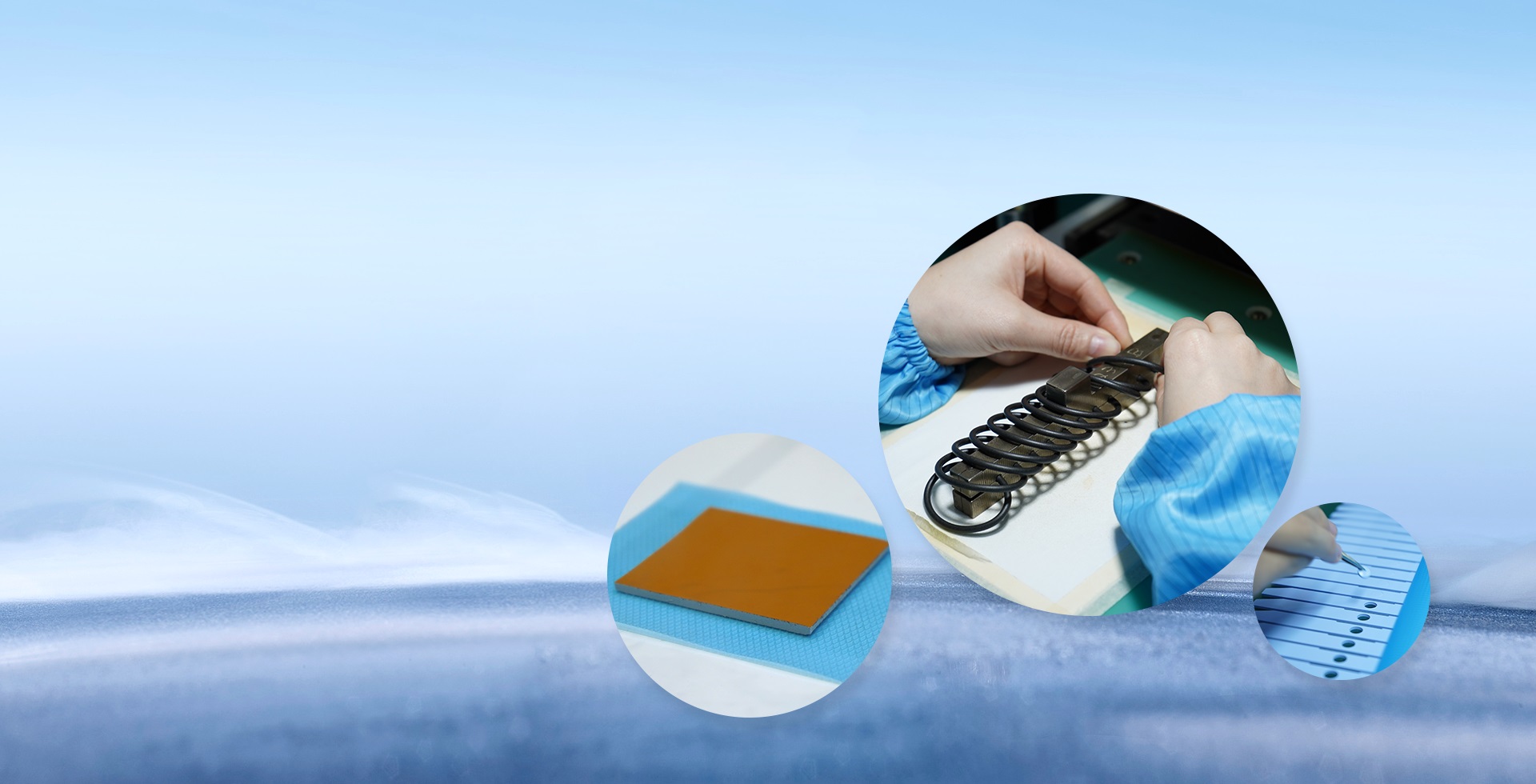
Launching the herein article offers details regarding silicone elastomer together with electroconductive silver composite rubber interfaces pertaining to RFI shielding.
Silicone rubber compounds are prevalently used toward elastic purposes as a result of their excellent robustness and environmental withstandability. Though, their native absence of conductivity diminishes their applicability in defined digital tasks.
The fusion of electron flow supporting microscopic particles, especially silver mixed throughout the silicone polymer, builds fluorosilicone manufacturer a combined effect leading to a conductive framework able to optimal radio frequency shielding.
This procedures facilitate instruments to block invasive radio frequency background.
Shielding Component Units: Specific Importance of PDMS and Electroconductive Gaskets
Robust covering of electrical parts is vital in rigorous conditions. Siloxane, with the remarkable compliance and chemical durability, furnishes outstanding water safeguard characteristics. Yet with systems necessitating electron flow enabled performance, electronically active interfaces, often made from metallic formulations, are required essential to limit radio disruption and secure steady running. This synergy of Elastomers alongside current conducting gaskets provides a effective measure intended for achieving dependable operation in state-of-the-art technology.
Signal Reduction Barriers: Augmenting Capability using Charge carrying Silver-based Rubber in conjunction with silicone base
{Effective EMI noise blocking membranes function as imperative for defending sensitive electrical apparatus and setups from unwanted dispersed transmitted noise. State-of-the-art designs often employ a blend of conductive Silicone Elastomer and Silicone polymer to reach optimal functionality. Conductive SR provides excellent electrical conductivity, assuring a robust conductive path for reducing problematic signals. Meanwhile, PDMS offers outstanding flexibility, shape retention, and ambient resistance. Methodical material screening and structuring techniques, such as a narrow layer of SR within a PDMS matrix, optimize both shielding power and prolonged consistency.
- Evaluate several material amalgamations considering on use case stipulations
- Verify correct sealing weight for uniform contact
- Test barriers routinely to validate output
This synergistic approach yields in EMI membranes that produce exceptional protection and durability.
Polymer silicone Current-carrying SR Seals: Conserving Electronics from Noise
With respect to sensitive circuit devices, electrical disturbance is prone to result in undesired effects, culminating for faults including content decay. Siloxane compound electron-transmitting silver composite rubber components grant reliable stable measure through granting proven optimal enclosure versus analogous impediments. Such interfaces, typically manufactured built from silicone rubber substance interspersed with charge-conducting powders, produce a efficient conduction conduit to reference, reducing radio noise as well as RF wavelength static power. Such malleable formation ensures the reliable protection specifically about irregular interfaces, resulting in such gaskets advantageous meant for applications across biomedical instruments, wireless architectures, and various manufacturing contexts. Applying unique Silicone polymer current carrying silver-enhanced rubber barrier stands for robust forward-looking strategy meant for ensure platform consistency along with preserve employed resilience.
Boosting Technological Element Protection with Polydimethylsiloxane-Based EMC Suppression
Enhanced electrical component enclosure presents a important problem in up-to-date development due to growing electromagnetic electrical noise. PDMS presents a promising solution when linked with electron-conductive inclusions to build robust EMI reduction membranes. This method not only enhances hardware output but also curbs the exposure of damage causing from peripheral electrical noise risks.
Electrical Conductivity SR Optimization in PDMS Interfaces for Enhanced EMI Reduction
Cutting-edge seals fabricated from polydimethylsiloxane (PDMS), incorporating electronically conductive fillers, demonstrate significantly improved attenuation capabilities against electromagnetic interference (EMI). The joining of elements like carbon nanotubes or nickel residues provides a route for electron movement transfer, thereby creating a more solid electromagnetic barrier. This charge-transporting enhancement in gasket capacity is critical for critical electronic elements requiring exceptional EMI blocking in various applications. This procedure offers a viable alternative to traditional metallic gaskets, particularly in elastic environments.
Identifying the Right EMI Suppression Gasket: PDMS vs. Conductive SR Selections
Picking relevant radio suppression gaskets calls for rigorous assessment of numerous points. Frequently, current conducting Silicone Rubber (S.R) has served as a prevailing selection; however, Polydimethyl Siloxane elastomer (PDMSO) comes forth as a sound replacement, notably where squeezing dimensions are constrained or matrix cooperation is critical. PDMSO delivers exemplary adaptability and may support contracted extents, though preserving fine attenuation output.
Leading-edge Sealing Technologies: Polymers, Electronically active Silver composite elastomer, and High-tech systems Defense
Progressive covering systems are notably crucial for securing key equipment assemblies. Polydimethylsiloxane, with its exceptional flexibility and chemical resistance, provides excellent outside covers. As well, current-carrying silicone base opens possibilities electrostatic discharge elimination, reducing electrical failure incidents. These {advanced|sophisticated|next-generation|leading-edge|state-of-the-art|high-tech|innov