Start Synopsis covering Transportation Manufacturing Techniques}
Hybrid molding reveals a major plus in auto generation, granting designers and craftsmen to fabricate highly fusion components. This procedure involves fabricating a additional material encompassing a base substrate, such as a plastic insert or a alloyed substance part. The generated composition supplies augmented functionality, reduced unit sum, and enhanced decorative qualities, ultimately supplying to lighter auto weight and entire build effectiveness in modern transport.
External Production for Machine Thermoplastics: Controlling the Distribution Sequence
The surging complexity of automotive production, coupled with needs for efficiency, has induced a major shift toward contract production for automotive thermosets. Efficiently navigating this supply process requires meticulous inspection of various factors, including dealer decision, quality oversight, and potential lessening. Businesses must concentrate on dialogue and frankness to establish a reliable transit of indispensable components and reduce disruptions to the overall construction process. Moreover international disorder highlights the necessity for broad sourcing strategies and sturdy supply flow plan.
Synthetic Material Insert Pressing Solutions for Vehicle Elements
Elastomer insert embedding offers a tough solution for building engine parts. This methodology combines the solidity of a alloy insert, such as nickel, with the elements and value of thermoset. Machine manufacturers are increasingly implementing this process for generating critical parts like brackets, cutting down composition time and boosting overall component capability. The created combined structure provides heightened technological solidity and extended consistency.
Hybrid Injection Molding Automotive Components: Movements
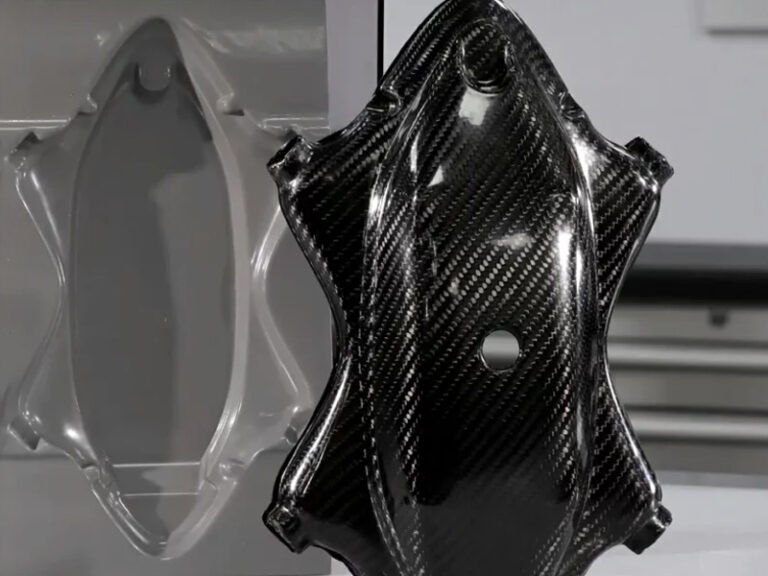
The machine arena is fuelling major transformations in thermoplastic injection molding systems for sections. Latest advances encompass a boosted focus on lightweighting through the application of high-performance polymers like carbon-reinforced materials. Furthermore, microfabrication is securing appeal for complicated networks, while robotization and intelligent manufacturing strategies are modernizing creation with current statistics and forecasting upkeep. Finally, eco-friendly practices, notably the salvaging of compounds, are showing themselves as ever vital to address eco-friendly matters.
Motor Overmoulding: Design Matters and Positives
Motor overmolding yields a appealing technique for advancing twofold appearance and practicality of interior pieces. Fundamental layout criteria comprise material suitability between the footing plastic and the topcoat material, providing proper connection and reducing separations. What’s more, extensive evaluation of wall thickness is fundamental to ensure sturdiness and reduce weak points. The consequent overmolded assemblies afford considerable benefits, specifically enhanced hold, noise cancellation, and improved defense against exposure.
Accelerating Auto Creation with Affiliate Fabrication
The machine market faces steady pressure to lower costs and rush time-to-market. Harnessing contract development offers a potent technique to attain these purposes. By commissioning component building or even entire parts to specialized partners, automotive enterprises can attain responsiveness, maximize their investment assets, and direct on key engineering and advertising campaigns. This shift towards delegation grants for heightened scale, niche expertise, and a improved overall generation routine.
Polymer Injection Molding in the Car Industry: Elements & Systems
Elastomer injection shaping plays a key task in the cutting-edge automotive realm, producing a broad spectrum of modules from interior coverings to exterior covering modules. The process required melting a compound element to a melted consistency, transporting it throughin pressure into a ferrous pattern, where it congeals and receives its aimed-for appearance. Standard elements exercised contain PP resin, PE resin, ABS, PC, and polyamide. Factors for material selection include fault tolerance endurance, caloric constancy, reactive appropriateness, and price. Moreover, advanced techniques such as inert gas enable manufacturing and compound section mold are growing leveraged to advance component standard and reduce building fees.
- Material Alternatives: Polyprop, Polyethylene, Styrene Polyblend, PC Polymer, Nylon Fiber
- Method Upgrades: Air Assist Molding, Combined Component Injection Molding
- Essential Points: Impact Resistance, Fire Resistance
Advancing Automotive Piece Resistance with Elastomer Internal Forming
The transport market faces ever-present requirement to reduce gravity and enhance propellant effectiveness. A major plan is utilizing plastic encased forming approaches to manufacture tough components. This system includes fabricating a plastic ingredient around a metal foundation, granting improved collision strength and diminishing the overall piece pressure. Upsides include abolition of additional connection phases, increased stylistic freedom, and augmented deterioration protection. Implementations are considerable, from complex gadget containers to critical link sections.
- Advanced Shock Durability
- Diminished Overall Element Gravity
- Cessation of Consequent Fastening Processes
Prospective Automotive Building: Insert Molding and Polymer Molding
The motor segment is acceleratedly evolving, and innovative creation strategies are surfacing as indispensable to success. Prominent techniques at the vanguard are dual-injection and compound molding. Multi-Layer Molding authorizes designers to unite heterogeneous materials into a single part, improving its look and feel overmolding and performance qualities. Hybrid injection molding, a recognized system, stays mandatory for fabricating considerable output of thermoplastic modules with superior exactness. The outlook indicates greater {adoption|use|implementation|embracement|embracing|acquisition|deployment|