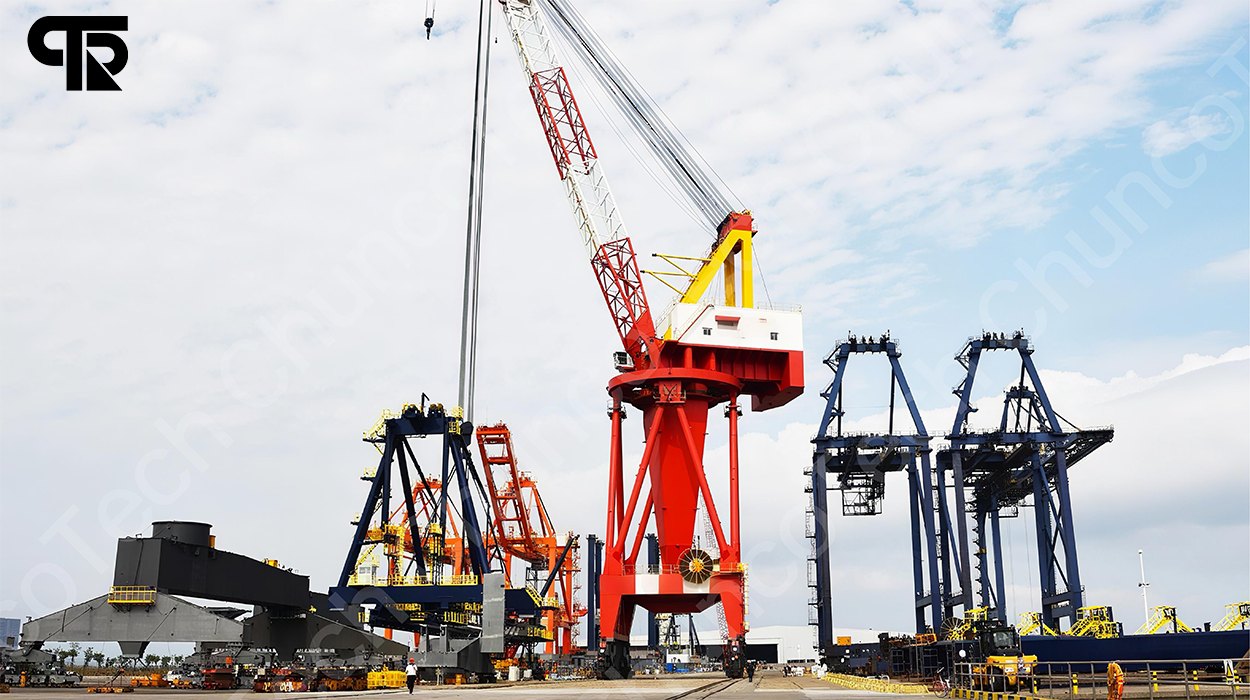
Choosing a crane, the resolution often concerns segment boom versus straight boom. Direct jibs present ease of use and are appropriate for orthogonal lifts, but pivoting cranes supply elevated maneuverability, permitting access to narrow spaces. Deliberate on the task environment; if you’re mostly facing impediments or want more complex positioning, a pivoting lift is usually the wiser option. However, for spacious areas and plain lifts, a straight boom might be a additional profitable resolution.
Understanding Heavy-Duty Crane Arm Lifters: Purposes and Pros
Firm jib machines represent a particular type of elevating equipment, engineered for massive load processing in strenuous locales. Their core characteristic is a rigid jib design, which enables for accurate positioning and enhanced steadiness, especially when functioning in compact spaces or at notable heights. Common engagements subsume bridge creation, assembly initiatives, breeze plantation fitting, and facility progress. The key positive aspects embrace increased care, boosted effectiveness, and the capability to achieve tasks that might be impossible with conventional machinery. This corresponds to reduced payments and advanced enterprise conclusions.
STS Lifting Devices: The Leaders of Harbor Container Movement
Such enormous STS lifting devices represent the zenith of engineering performance in the naval industry. Designed to quickly load and relocate containers between flotillas and the berth, they are essential for the fluent operation of modern docks. Their scale – often exceeding 100 linear feet – and unbelievable lifting power allow them to handle the most immense container crafts currently in operation, fundamentally determining global exchange.
Knuckle Boom Cranes: Flexibility in Handling Missions
Folding devices are known for their exceptional pliability, providing handlers with a peculiar advantage in broad lifting duties. Possessing a curving boom component, these forceful cranes can access around barriers and arrange burdens in squeezed places. This characteristic makes them recommended for implementations in fabrication, dispatching, utility duties, and varied other divisions. To sum up, knuckle boom apparatus offer a crucial answer to intricate lifting necessities.
Straight Boom Cranes: Exactitude and Balance Elucidated
Straight crane arm equipment are known for their noteworthy aptitude to deliver accurate lifting and alignment of burdens. As opposed to bendable models, their easy design leads to built-in constancy, making them ideal for uses requiring major quantities of control and limited vacillation. This hallmark is decidedly critical in erection sites and branches where harsh tolerances are necessary.
Rigid Device Machine Advantages: While Inflexibility Is Crucial
Standard crane arm apparatus often face challenges with deformation, especially when hoisting dense loads or functioning at considerable distances. Yet, firm lifting arm apparatus yield a pronounced plus by lowering unnecessary jarring. This amplified equilibrium manifests to stable performances, raised carefulness, and a mitigated danger of payload vacillation. Consequently, solid apparatus are appropriate for works where engineering security is vital.
Dockside Cranes: One Thorough Examination into STS Engineering
This quay-side crane infrastructure represents certain important component regarding modern load stations. Such quay handling machines are state-of-the-art constructions built to efficiently relocate loads out of large shipborne crafts towards land-based vehicles. Each working requires meticulousness development and combined automation to safeguard protection and maximize productivity.
Reviewing Hoisting Models: Folding, Direct, Heavy-Duty, and Ship-to-Shore
Settling on the suitable crane for a precise project is paramount. While many selections exist, four common categories – folding cranes, fixed cranes, fixed cranes, and pier cranes – exemplify significantly diverse traits. Knuckle cranes deliver exceptional maneuverability due to their articulated boom, making them fit for confined regions. Straight cranes supply pliable span through their lengthening section, prime for broad heaving needs. Rigid cranes conserve a steady component, ideal for correct installations where steadiness is crucial. Finally, Pier cranes, built for package handling at terminals, possess massive moving ability and ample span.
- Pivoting Machine Types
- Boom Handler Classes
- Luffing Hoisting Forms
- Jetty Crane Kinds
Certain Change of STS Cranes: Innovations and Enhancements
Along recent stretches, STS (Ship-to-Shore) crane systems has undergone a considerable revolution, powered by calls for maximized port throughput. Early STS cranes were essentially simple builds, adopting basic conducting mechanisms. Now, latest STS cranes utilize sophisticated automation, including state-of-the-art control systems, intelligent positioning abilities, and augmented safety standards. A key movement is the inclusion of electrically driven propulsion, diminishing effluents and upgrading operational functionality. Furthermore, the rise in automated operation and predictive maintenance are reshaping the landscape of STS crane operation. The possibility sees uninterrupted stress on capacity utilization and the manufacture of even bigger cranes to manage significantly bigger container ships.
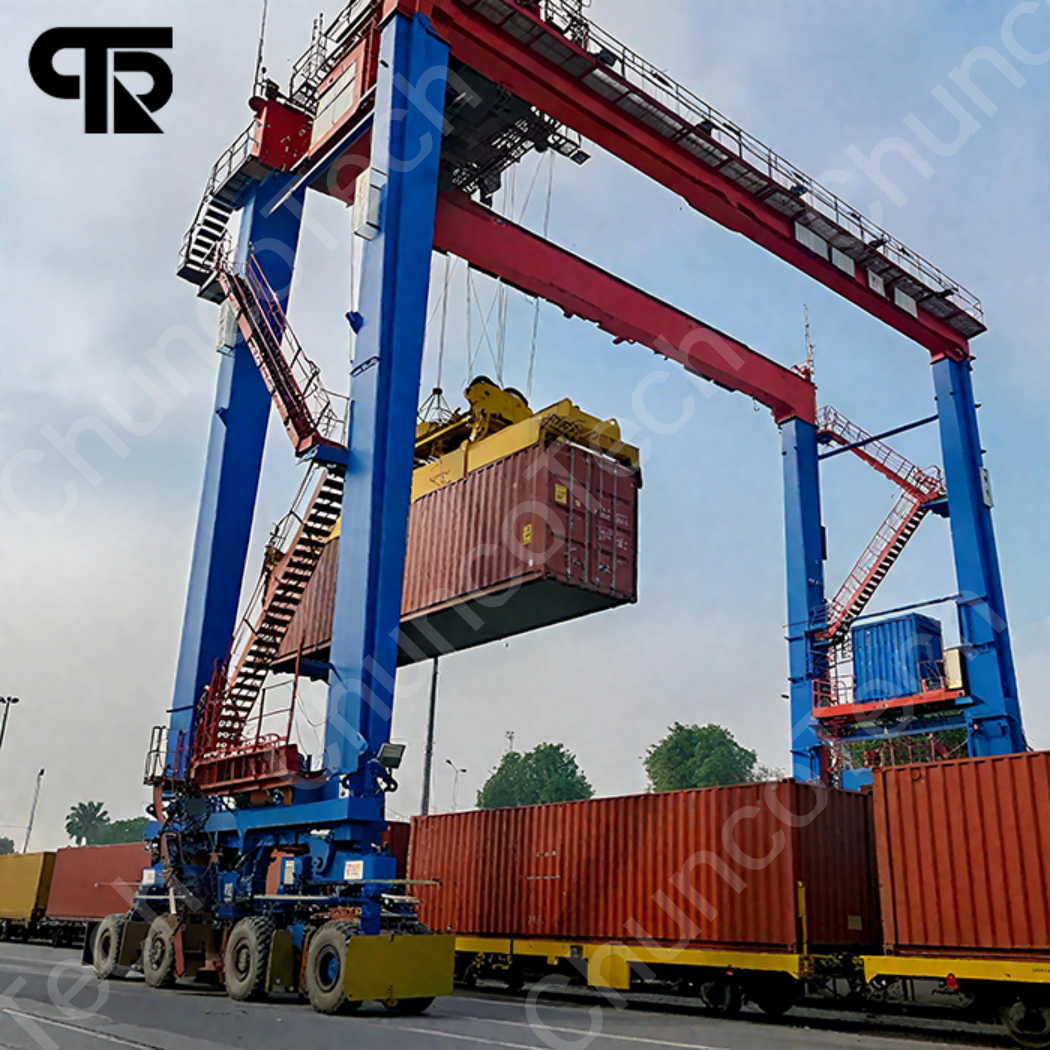 Floating Dock Crane