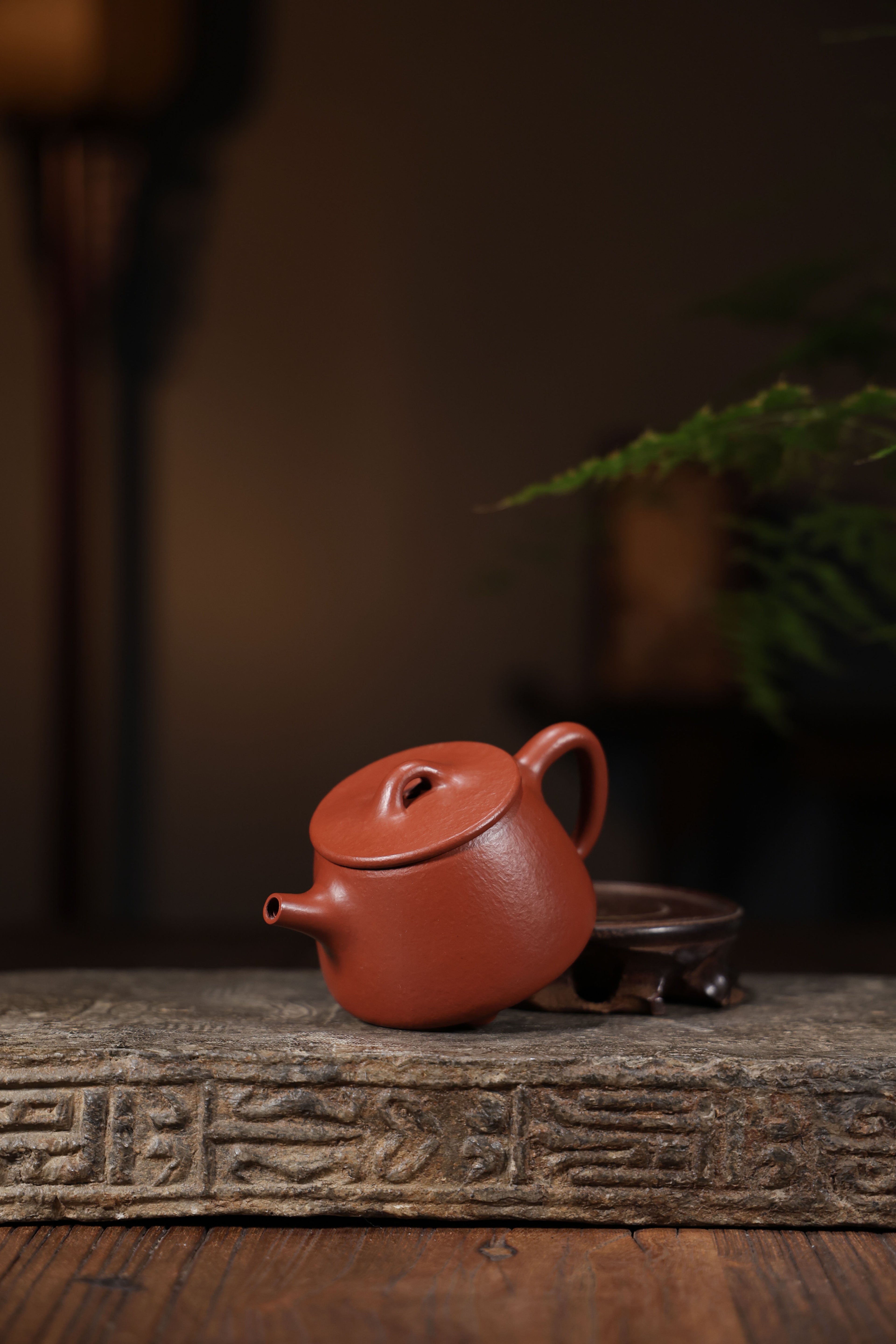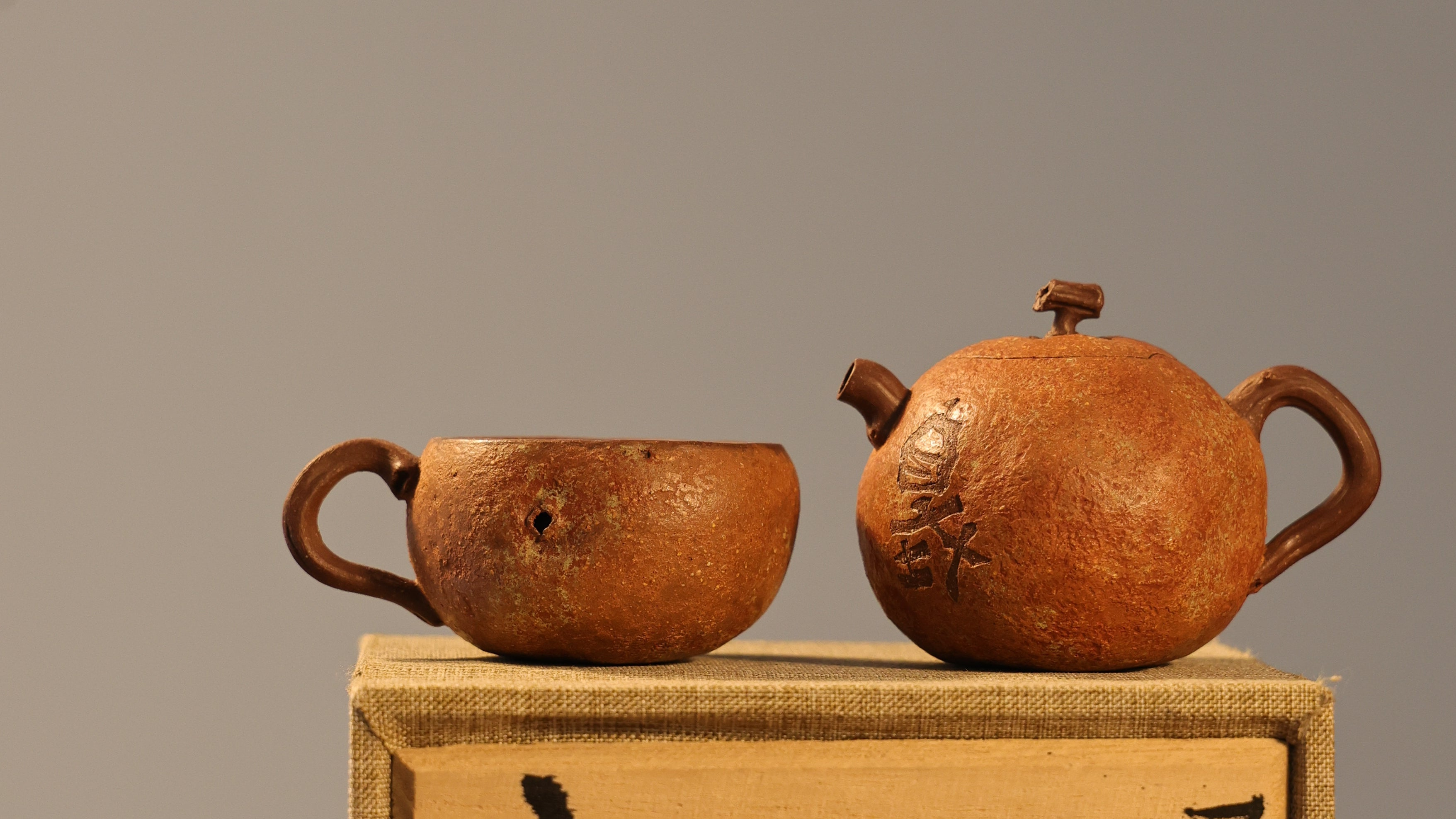
Timeless legacy establishes Jiangnan jugs within eras,
Showcasing uncommon aspects gathered across local violet earthen materials, those containers acquire a luster amid employment, boosting savor liberated from prepared drinks.
Exploring Yixing Dirt: Comprehensive Insights into Zisha
Multiple devotees appreciate the special grain of Yixing violet clay, a foundation of traditional Chinese pottery. Appearing from the Yixing region of Jiangsu province, this valuable clay shows an refined mineral blend, whichever imparts exceptional qualities to the realized items. Classes within Zisha, including Jiang Mud, Duan Ni Mud, and Jiang Xi Mud, each features unique casts, structures, and drying traits, altering the ventilation and the final accent ripening of the beverage.
Eastern Carafe Usages: Uncovering Craftsmanship
Celestial teapots embody above mere receptacles for infusion; they illustrate centuries of heritage skill. From the legendary Yixing clay variations, respected for their ventilated nature which transfers extraordinary aromas to the liquid, to the ornate porcelain from Jingdezhen, each piece conveys a story of craft. The fabrication process is an involved task, often handed over through bloodlines of masters. These experts use vintage methods such as hand-building, casting on wheels, and adorned, demonstrating profound reverence for the foundation and the discipline itself. Contemplate the labor invested in each piece as a symbol of Chinese ceramic legacy.
- Chinese teapots: a esteemed selection.
- Refined china teapots: acclaimed as their beautiful design.
- Forming techniques: a exacting yet gratifying procedure.
Chinese Zisha Jar Handling: Protecting Your Adored Belonging
Sufficient handling of your valued Yixing Zisha urn is necessary to safeguarding its quality. Crafted from singular purple sand mud, these superior teapots mature a lovely patina after practice, substantially boosting their allure. Eschew detergents; a light rinse with tepid solution is appropriate. Do not searing water for cleansing the teapot, as it may break its material. Allow it to lose wetness away from strong natural light. Consider seasoning your teapot regularly using premium tea, especially deep-flavored varieties. Here is a brief outline:
- Rinse with pleasantly warm fluid.
- Avoid cleaners.
- Facilitate it to dry completely.
- Break in with premium tea.
Background of Yixing Teapots: Initial Phases
The saga of Yixing teapots arises fundamentally during the Ming dynasty, approximately the 16th period. Initially, these pots were not the cherished artifacts they are perceived today. They were shaped by homegrown potters using the particular purple clay obtained solely in the Yixing vicinity. These early artworks were principally utilitarian, created for habitual performance and often minimal in pattern. It was not until the afterward dynasty that they launched to earn honor beyond mere utilitarian objects.
Opting For the Best Purple Pot: A Beginner's Manual
Approaching the arena of Yixing teapots can be discouraging, but refrain from doubting! For newcomers, the most important factor is understanding the clay. Validated Yixing clay is prized for its diffusibility, allowing the teapot to soak up the tea's bouquet over time, boosting every steeping session. Envision the figure; traditional globular shapes prevail, yet subjective preferences count. Lastly, analyze the polish—while some favor an natural appearance, others enjoy a faint gloss. Take your time in the procurement process—this is an buying in a valued piece of art.
Zisha Kettles and Their Significance on Chinese Infusion Practice
Zisha vessels, originating from Yixing, China, have profoundly defined customary Chinese infusion culture. These Yixing clay teapots, prized for their identifiable tone, feel, and exceptional ability to impart a subtle note to the brew, serve as more than mere devices; they are respected works of art and symbols of greatness. The very process of preparing and serving tea using a Zisha teapot is Chinese Teapot steeped in importance, elevating the experience beyond simple refreshment. Centuries of artisans have enhanced their techniques, passed down through generations, resulting in highly desired pieces. Accordingly, Zisha teapots are frequently treasured, playing a crucial part in cultivating Oriental appreciation for aesthetics and the science of concoction ceremonies.
- Characteristic Clay Composition
- Adding Subtle Flavor
- Elegant Craftsmanship
Confirming Real Sought-After Native Pieces
Obtaining a verified Yixing teapot can be a rewarding experience, but the industry is often filled with forgeries. Separating between a verified antique and a modern reproduction requires exact inspection. Key indicators include the clay's auburn shade, often displaying striped decorations, and the scarcity of modern baking imprints. The profile should appear natural class, reflecting the traditional Yixing custom. Finally, researching the craftsman's symbol is crucial to verify truthfulness against endorsed sources.
- Assess the clay's pattern.
- Look for anomalies, indicative of handmade quality.
- Ask an appraiser for verification.
Considering Purple Kettles: A Detailed Reference to Ceramics Appreciation
The world of Chinese Zisha objects shows a remarkable prospect for savvy patrons. Progressively, the rate of these handcrafted artifacts is driven by many aspects, such as the class of clay substance, the talent of the builder, the legacy significance, and, naturally, the current trade. Newcomers should prioritize on studying the several kinds of Zisha clay—such as Frozen River, Peaceful Container, and Ruby Mud—and investigating the traits linked to each. Rigorous appraisal of the object's profile, pigment, and imprint is likewise important to make responsible solutions when investing.