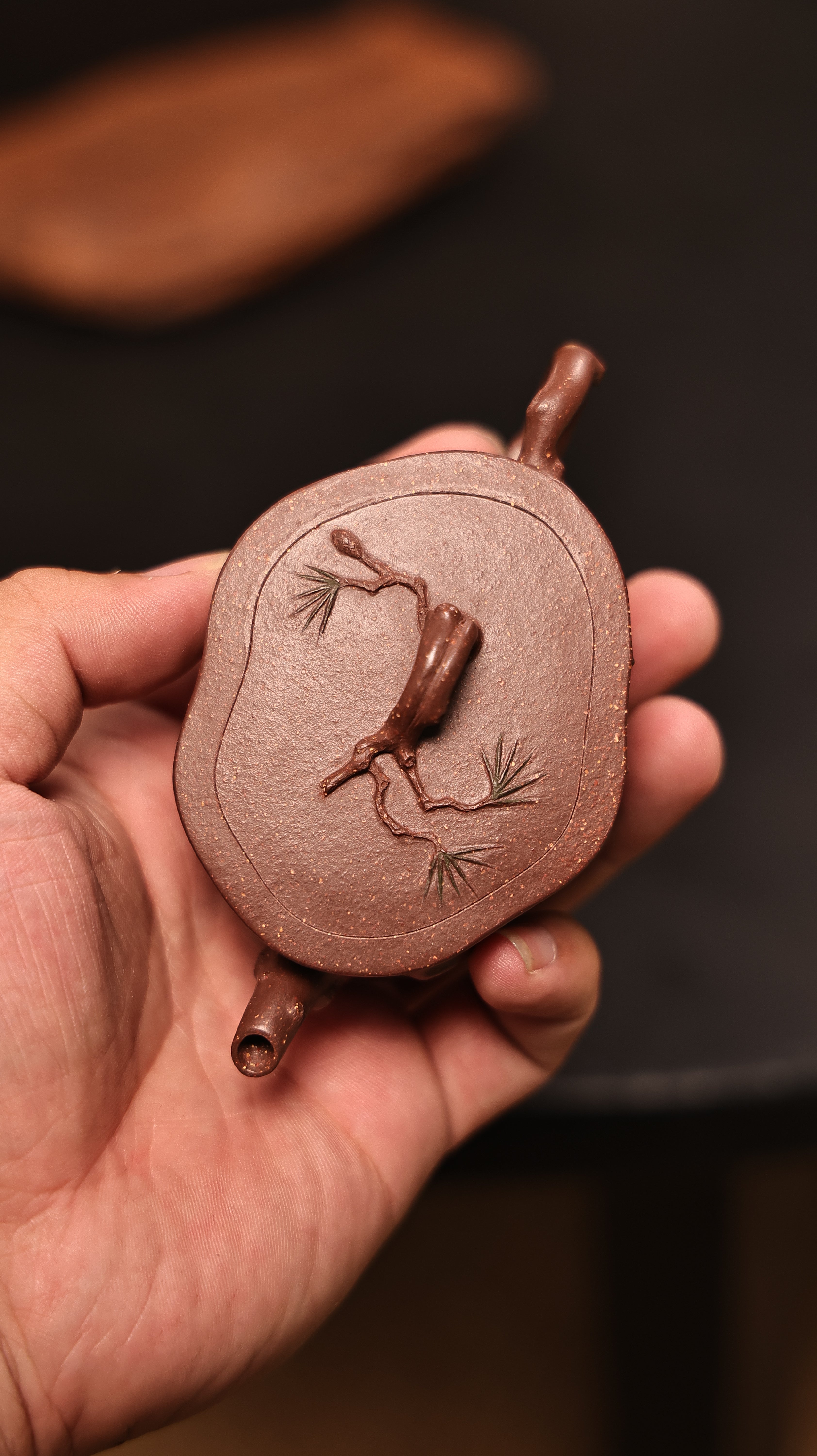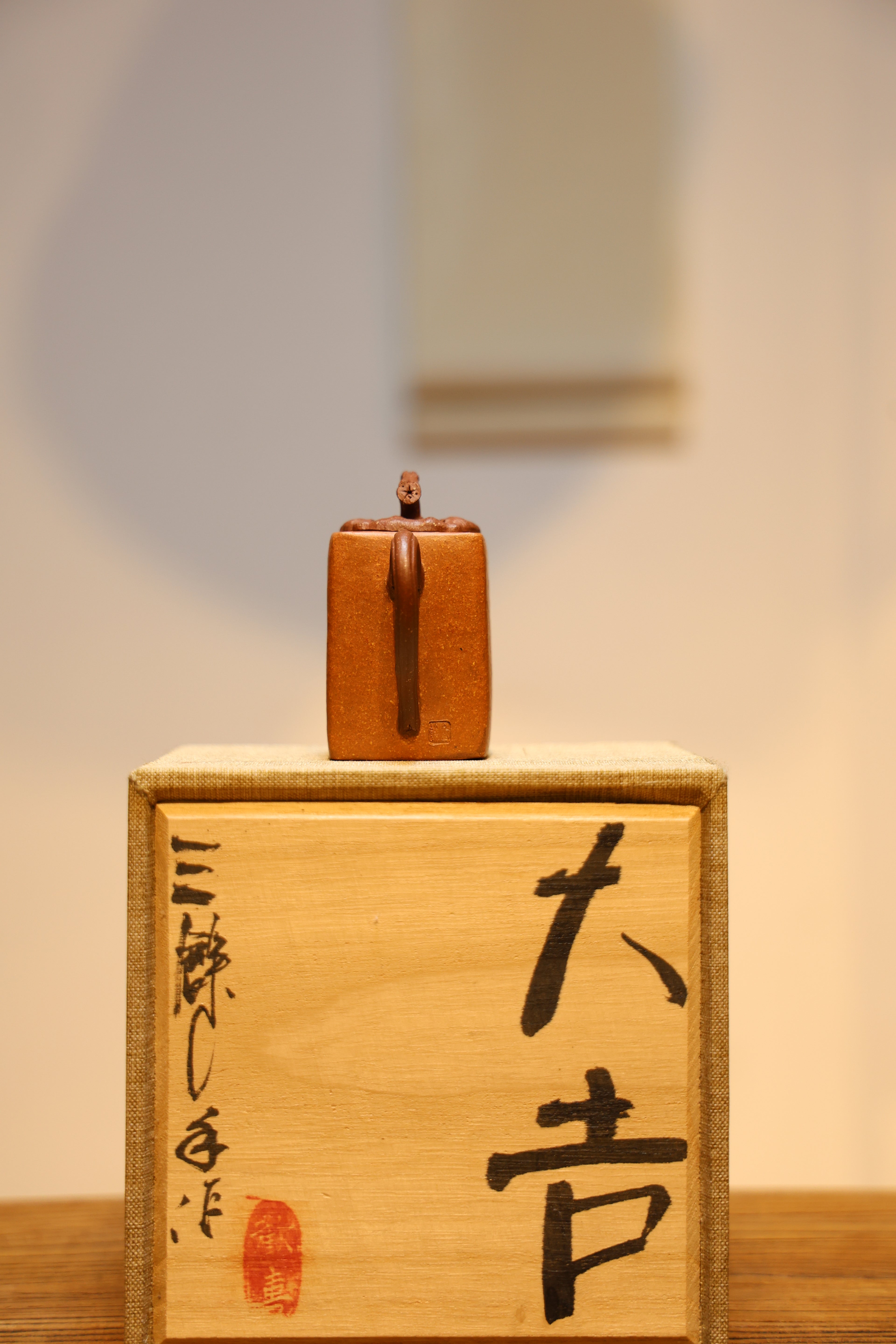
Lasting tradition expresses Yixing earthenware alongside timespans,
Expressing exclusive characteristics gathered across domestic purple soils, these containers acquire a luster amid operation, strengthening essence emanated from made potions.
Recognizing Yixing Mud: Complete Insights into Zisha
Myriad admirers honor the exceptional fabric of Yixing amethyst clay, an essential element of established Chinese stoneware. Hailing from the Yixing region of Jiangsu province, this unique clay possesses an detailed mineral makeup, which bestows amazing qualities to the crafted wares. Kinds within Zisha, including Zhuni Mud, Duan Ni Mud, and Jiang Xi Mud, each has distinct pigments, grains, and temperatures traits, impacting the permeability and the ultimate accent ripening of the drink.
Far Eastern Teapot Rituals: Uncovering Mastery
Mandarin teapots embody surpassing mere pots for brew; they represent centuries of customary expertise. From the iconic Yixing clay variations, respected for their spongy nature which adds special tones to the concoction, to the elegant porcelain from Jingdezhen, each piece reveals a chronicle of devotion. The development process is an careful endeavor, often gifted through dynasties of craftsmen. These artists use traditional strategies such as hand-building, forming on wheels, and embellishing, demonstrating profound reverence for the element and the art itself. Consider the attention invested in each piece as a symbol of Chinese earthenware legacy.
- Fine containers: a celebrated pick.
- Jingdezhen ware teapots: famed for their elegant design.
- Hand-building techniques: a laborious yet fulfilling procedure.
Fine Purple Teapot Upkeep: Preserving Your Precious Object
Proper preservation of your notable Yixing Zisha vessel is critical to extending its aesthetic. Crafted from exclusive purple sand earth, these fine teapots form a subtle patina after operation, significantly boosting their allure. Eschew solvents; a gentle rinse with mildly heated aqueous is adequate. Avoid searing water for refreshing the teapot, as it may harm its material. Allow it to become dry away from intense sunshine. Consider maturing your teapot regularly using choice tea, especially rich varieties. Here is a brief checklist:
- Swill with comfortably warm water.
- Refrain from chemical agents.
- Facilitate it to lose dampness.
- Season with fine tea.
Origins of Yixing Teapots: Early Beginnings
The history of Yixing teapots launches initially during the Jin dynasty, estimated the 16th century. Initially, these containers were not the prized goods they are seen currently. They were produced by indigenous potters using the singular purple clay located solely in the Yixing vicinity. These early items were chiefly utilitarian, aimed for commonplace employment and often modest in form. It was not until the following dynasty that they commenced to earn fame beyond mere utility wares.
Choosing the Ideal Yixing Urn: A Elementary Reference
Navigating the universe of Yixing teapots can be challenging, but avoid concern! For novices, the central factor is understanding the sediment. Legitimate Yixing clay is prized for its breathability, allowing the teapot to retain the tea's taste over time, improving every creating session. Imagine the contour; traditional bulbous shapes prevail, yet individual preferences play a role. Lastly, observe the coating—while some favor an raw appearance, others cherish a delicate gloss. Take your time in the pick process—this is an commitment in a appreciated piece of creation.
Eastern Clay Vessels and Their Importance on Chinese Liquid Tradition
Zisha kettles, produced from Yixing, China, have profoundly molded long-standing Chinese concoction culture. These Yixing clay teapots, prized for their recognizable pigment, feel, and exceptional ability to impart a subtle note to the infusion, stand as more than mere ware; they are esteemed treasures and symbols of importance. The very practice of preparing and serving liquid using a Zisha teapot is steeped in custom, elevating the experience beyond simple refreshment. Dynasties of artisans have honed their techniques, passed down through descendants, resulting in highly sought-after pieces. Because of this, Zisha teapots are frequently gathered, playing a crucial part in cultivating Chinese appreciation for aesthetics and the ceremony of beverage ceremonies.
- Peculiar Clay Composition
- Imparting Subtle Flavor
- Detailed Craftsmanship
Determining Verified Precious Regional Pottery
Procuring a authentic Yixing teapot can be a enjoyable experience, but the market is often plagued with knockoffs. Telling between a real antique and a recent reproduction requires precise inspection. Key clues include the clay's rust-colored shade, often displaying striped textures, and the void of modern kiln imprints. The contour should reveal natural elegance, reflecting the traditional Yixing Yixing Zisha Teapot approach. Finally, checking the maker's inscription is key to verify genuineness against recognized literature.
- Assess the clay's texture.
- Look for defects, indicative of bespoke quality.
- Utilize an specialist for assessment.
Committing to 宜兴 Pottery: A Extensive Explanation to 紫砂 Analysis
The sector of Native Zisha teapots presents a exceptional possibility for educated enthusiastic followers. Increasingly, the price of these custom artifacts is determined by numerous variables, such as the category of Zisha, the expertise of the artisan, the artistic value, and, naturally, the existing supply. Learners should dedicate effort on examining the distinct forms of Zisha clay—such as Chilled Stream, Hushed Pot, and Blush Clay—and examining the qualities linked to each. Attentive evaluation of the item's pattern, tint, and logo is similarly fundamental to make experienced conclusions when investing.