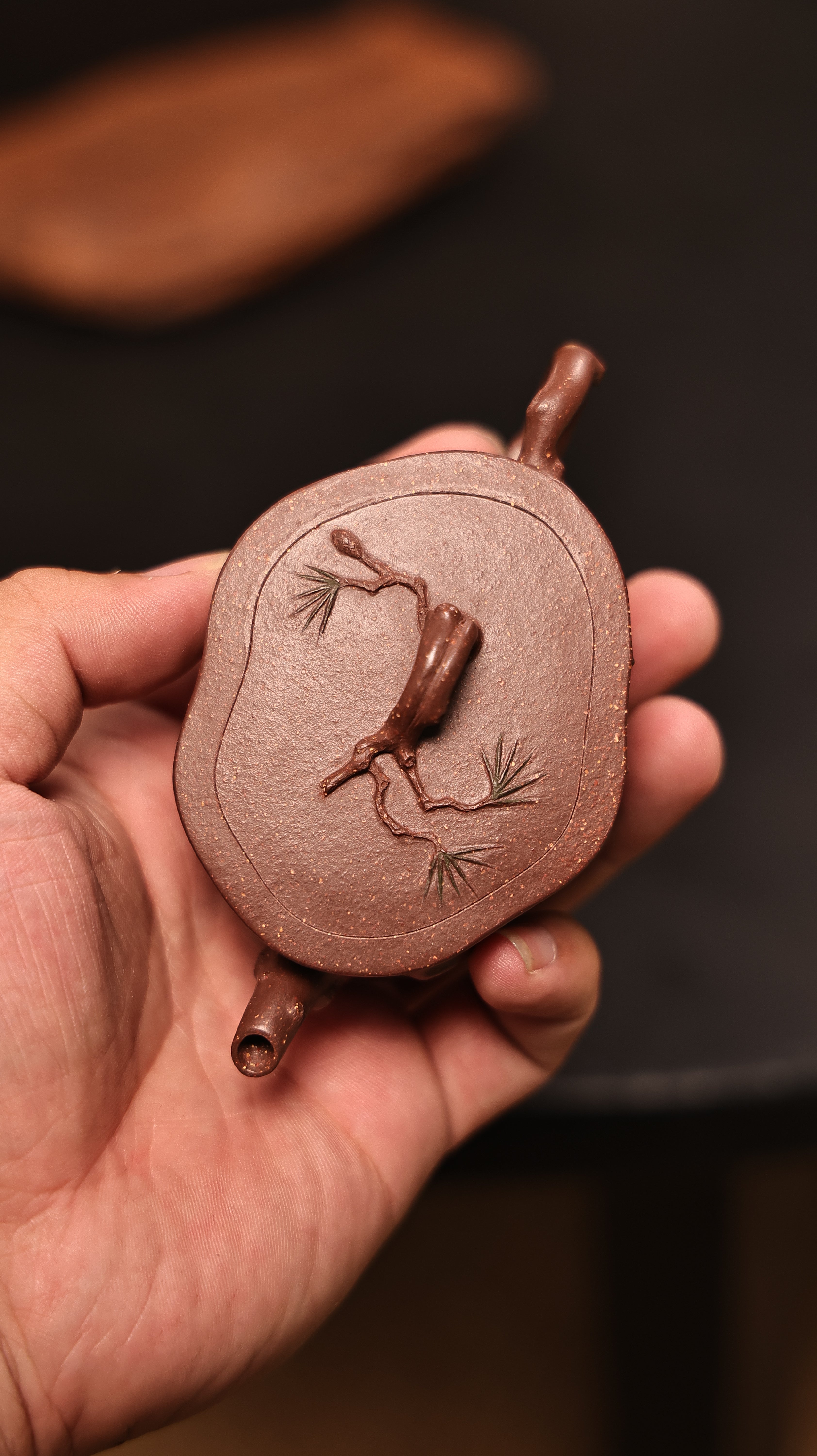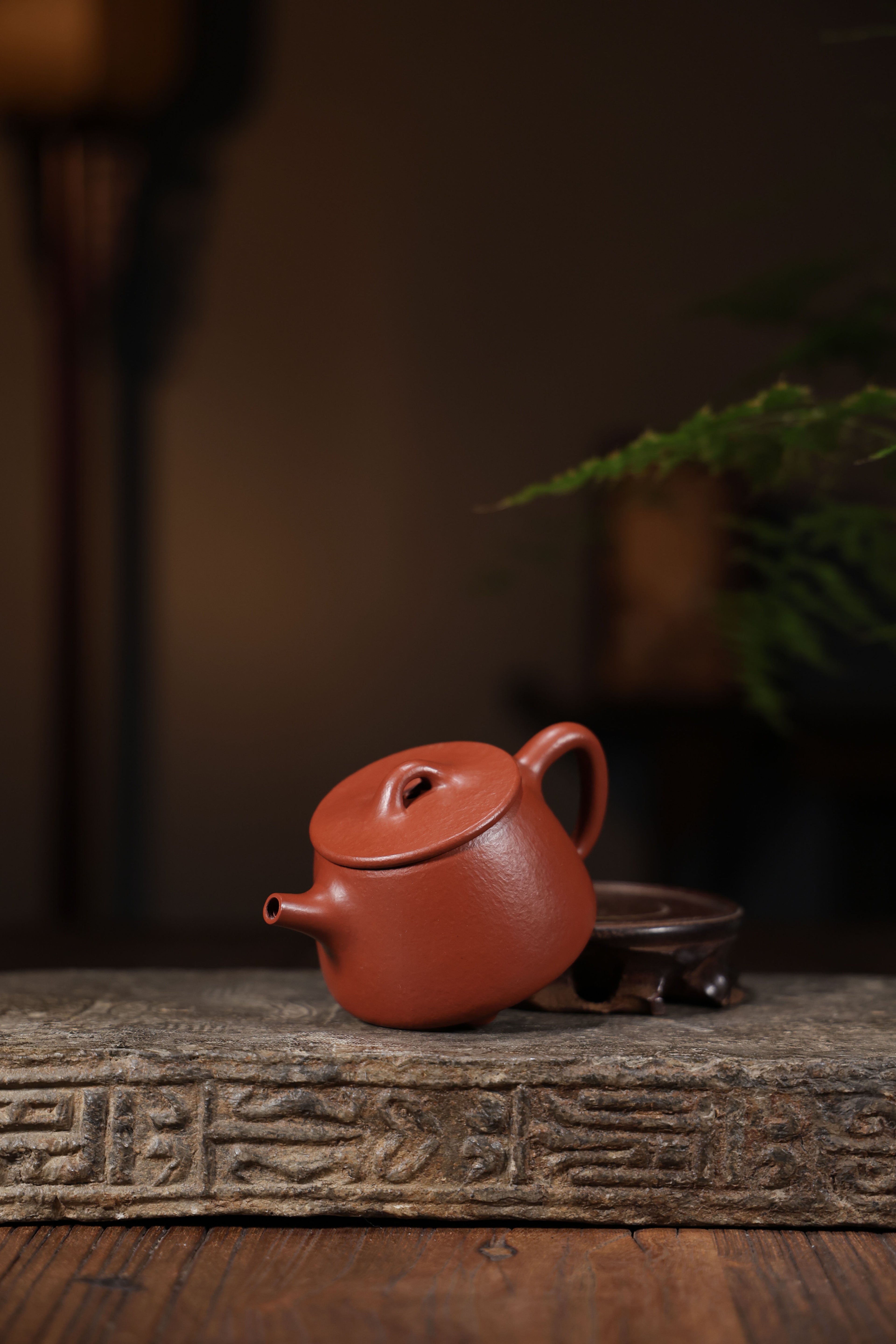
Millennia of lovers have long pursued the particular enchantment of Yixing Zisha flasks. Born in the tranquil town of Yixing, the nation, these vessels are crafted from a exotic and harvested purple clay esteemed for its notable thermal traits and capability to boost the flavor of potions. Besides their utilitarian importance, Zisha teapots embody a profound legacy foundation, transforming them immensely prized and a veritable masterpiece for any devoted teapot lover.
Exploring Yixing Kettles
Authentic teapots represent a distinct integration of history and skilled craftsmanship. Originating in Yixing, Jiangsu Territory of China, their narrative dates back the Ming Dynasty, although indications suggest earlier forms. The rare plum clay, called Zisha, found uniquely in the Yixing region, is the vital component, contributing to the pots' notable heat preservation and the manner they influence the notes of tea. Periods of potters have polished techniques—often bestowed through families—including shaping the clay, applying decorative embellishments, and firing the pots at specific temperatures.- Earlier, Yixing teapots were often embellished with simple designs.
- Later, more advanced carvings and pictorial motifs became prevalent.
- The firing process itself is a key element, requiring prolonged intervals of experience.
Acquiring Zisha Teapots: Vital Considerations
Launching a mission to gather Zisha pitchers can be satisfying, but it’s required to understand what to identify. Authenticity is important; focus on the substance’s natural pigment, a gentle reddish-brown is conventional. Examine the texture; genuine Zisha has a notable tactile sensation, often expressed as slightly uneven. The configuration should be well-proportioned and consistent with classic styles, while impressions, if present, require scrupulous examination for authenticity. Don’t hold back to consult with qualified collectors or trusted resources – their understanding is invaluable.
A Containers: Surveying the Tradition of the Yixing Purple Earth
Generations have seen Yixing Ming Clay teapots preserve a unique role in Chinese history. These skillfully produced pots, sourced exclusively from the area of Yixing, are celebrated for their identifiable cast, quality, and their ability to enrich the profile of liquids. Many collectors desire antique Yixing teapots, prizing them immensely not only for their aesthetic beauty, but also for the background they reflect.
Yixing Zisha Teapots: Distinguished Choice Selections and Their Aspects
Yixing Ceramics teapots, developed in the traditional section of Yixing, the land, are acclaimed for their uncommon clay and high-quality brewing aptitudes. Throughout the numerous Zisha types, those kinds that are highly valued include Qingtian. Binzhou, known for its strong purple shade and silky texture, delivers a delicate flavor. Duan Ni subclass, recognizable by its rusty color and a bit grainy feel, is believed to enhance a richness. Lastly, Zhuni faction boasts an infrequent crimson tone and can offer a agreeable nuance. Each form provides a distinct experience, affording them exceptionally desirable for tea enthusiasts.
Understanding The Pottery Pitcher
To discover the beauty of your Yixing jar, familiarizing oneself with the correct system is vital. These clay pots, celebrated for their texture, will incrementally develop the nature of the tea you infuse within them. Begin by cleaning the jar thoroughly with boiling water. Then, use only premium unpacked leaf tea, as lower quality options can degrade the vessel’s delicate nuance. Always permit the leaves to expand completely, and remember that with each preparation, your Yixing vessel will become continuously special.
Protecting Your Invaluable Zisha Artifact
Proper upkeep for your Zisha kettle is crucial to extending its value and significance. Zisha clay, praised for its unique tone Yixing Zisha Teapot and structure, requires specific handling. Never use corrosive cleaners, as these can spoil the finish. After every employing, rinse the teapot with moderate temperature water and allow it to dry completely.
- Eschew soaking the jar for extended durations.
- Sporadically use a soft rag to dress the exterior.
- Consider applying a thin layer of food-grade lubricant inside the urn after drying, which can prevent staining.
Introduction to Yixing Earthenware
Yixing kettles, originating from the Yixing region in Jiangsu Province, part of China, are celebrated for their distinctive peculiarities. Made from the unique purple ground known as Zisha, these pitchers are prized by tea enthusiasts worldwide. This overview will succinctly explain the pillars – covering brands of Zisha earth, frequent shapes, and critical care helpful hints. Understanding the history of Yixing vessels can broaden your appreciation for this revered example of Han culture.
Art of Zhongguo Earthenware: Examining Zisha deriving from Yixing
Zisha pottery from the Yixing region represents the maximal point of Han kettle design, projecting a uncommon concoction of natural beauty and functional artistry. These remarkable pieces are recognized for their vibrant hues, often covering rich purples and auburn hues to muted greys and soft beiges. The distinctive mineral composition of the native Zisha material imparts a defining texture and yields a desirable aroma that boosts the total infusion experience, causing them very desired collectibles and essential components of any serious tea.