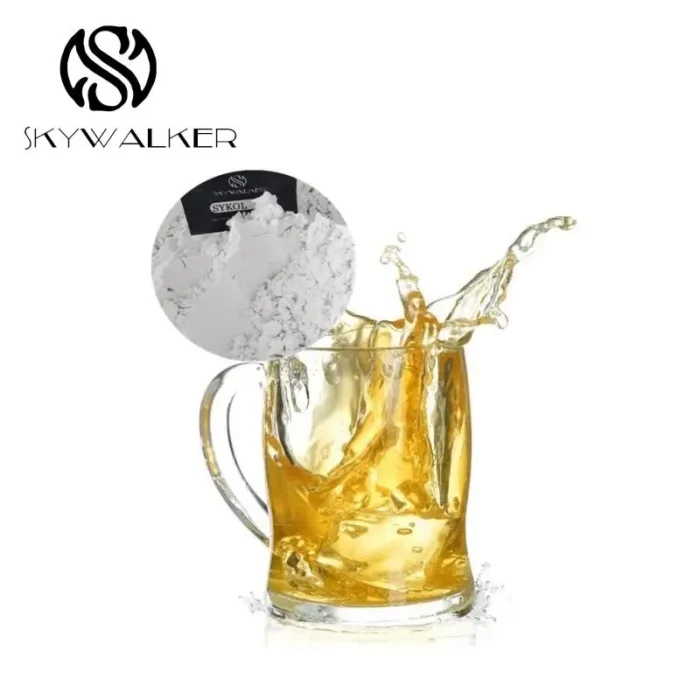
Apprehending activated bleaching material requires a detailed scrutiny of its characteristics. This singular substance is generally utilized in the cleaning of hydrocarbons, efficiently filtering blemishes. The processing approach typically involves electrical treatment, improving its absorption efficacy to collect colored substances. In the end, this report will explore the mechanism behind processed bleaching clay and its purposes.
Lightening Aggregate Companies: Finding the Appropriate Source
Attaining a consistent firm of activated clay is important for many markets, particularly those involved in edible oil processing. Picking the suitable source requires rigorous consideration beyond just fee. Appraise their credentials in clay distribution, their standards procedures, and their potential to consistently accommodate your demand needs. A reliable bleaching earth provider will also offer consultation and a array of classes to match your distinct application.
This Theory Behind Refined Purifying Material
Treated bleaching earth, a cornerstone of the refining process for edible oils, functions through a fascinating blend of solid and chemical relations. Initially, naturally occurring illite is activated – a approach involving heat and reagents – to drastically increase its surface dimension. This expanded surface allows an immense number of locations for the selective adsorption of color pigments, blemishes, and adverse odor compounds. The mechanism is primarily surface attraction, where molecules are held by weak van der Waals bonds, though some molecular adsorption can also occur with certain components. This results due to a significant lowering of color and enhancement of the oil's appearance and essence.
De-colorizing Material - Properties and Roles
Clarifying material, frequently referred soft white clay, shows unique characteristics that transform it remarkably useful across wide array of sectors. Its leading attribute is its striking brightness, coming from its limited iron presence. This characteristic constitutes it apt for applications obliging a light effect. Apart from its color, clarifying clay: earth is frequently fine and shows good flexibility, permitting it to be quickly formed. Usual functions entail printing production, synthetic enhancement, medicinal compounds, dermatological items, and as an capacity-enhancing factor in several processing systems. Furthermore, it finds function in stoneware and finish industries.
Picking the Right Enhanced Lightening Mineral for Selected Aims
Choosing the correct activated bleaching earth can be a challenging procedure, as various applications require varying properties. palm oil bleaching earth Take into account the classification of oil you’re processing; some elements are improved for organic oils, while separate classes are adapted towards zoic fats. Parameters like granularity and filtering ability highly influence performance.
- Measure the shade and smell intensity of the element to specify the essential level of decolorization.
- Evaluate the spread; smaller particles generally produce enhanced surface area, but may present cleaning challenges.
- Recognize the moisture content as it determines the mineral’s purifying capability.
Detoxifying Clay: Creation Practices and Standard
The formation of bleaching earth, a widely utilized factor for oil refining and chemical purification, involves several key phases. Initially, kaolinite is collected and then subjected to treatment via heat process and/or chemical conversion. This method enhances the binding properties of the aggregate. Consequently, rigorous quality assessments are implemented, covering calculations of portion size distribution, petroleum adsorption ability, and humidity amount. Cutting-edge analytical tools, such as microscopy analysis and certified testing, are used to confirm a dependable output that satisfies stringent specifications.
Sustainable Sourcing of Treated Bleaching Mineral
The surging demand for activated bleaching earth presents a important challenge regarding its harvesting and environmental footprint. Typical sourcing methods can produce habitat damage and reduction of natural resources. Consequently, a shift towards sustainable sourcing is indispensable. This involves promoting practices like restoration of mined areas, utilizing waste remnants from other industries for creation, and supporting domestic communities to guarantee ethical and honest mining procedures. Furthermore, verification schemes and detailed inspection processes are obligatory to corroborate that the earth is derived in a truly environmentally sound manner. Issues should also include minimizing current consumption during treatment and hydration agent usage.
- Restoration efforts
- Capitalizing on waste materials
- Working alongside local communities
- Authentication schemes
Whitening Substance Partner List: Best Suppliers Ranked
Identifying a stable clay supplier can be a obstacle, but our comprehensive registry aims to improve the process. We’ve thoroughly collected data and graded leading suppliers in the bleaching earth industry. This directory highlights notable producers known for their standards and consultation, allowing shoppers to find the optimal source for their unique needs. Many factors, including throughput, variety, and recommendations, were weighed in determining these dominant positions.
Understanding Activated Bleaching Earth Performance Metrics
To effectively estimate the performance of activated bleaching earth, it’s necessary to recognize key functional metrics. These values often include color index, typically measured using a spectrophotometer, which exhibits the earth’s ability to withdraw color from oils. What’s more, acid amount is vital, as it dictates the bleaching process; a higher intensity usually corresponds with improved lightening capabilities. Finally, absorbent area, often gauged via BET analysis, closely impacts the earth’s capacity to collect colorants, ultimately governing its overall bleaching potency.