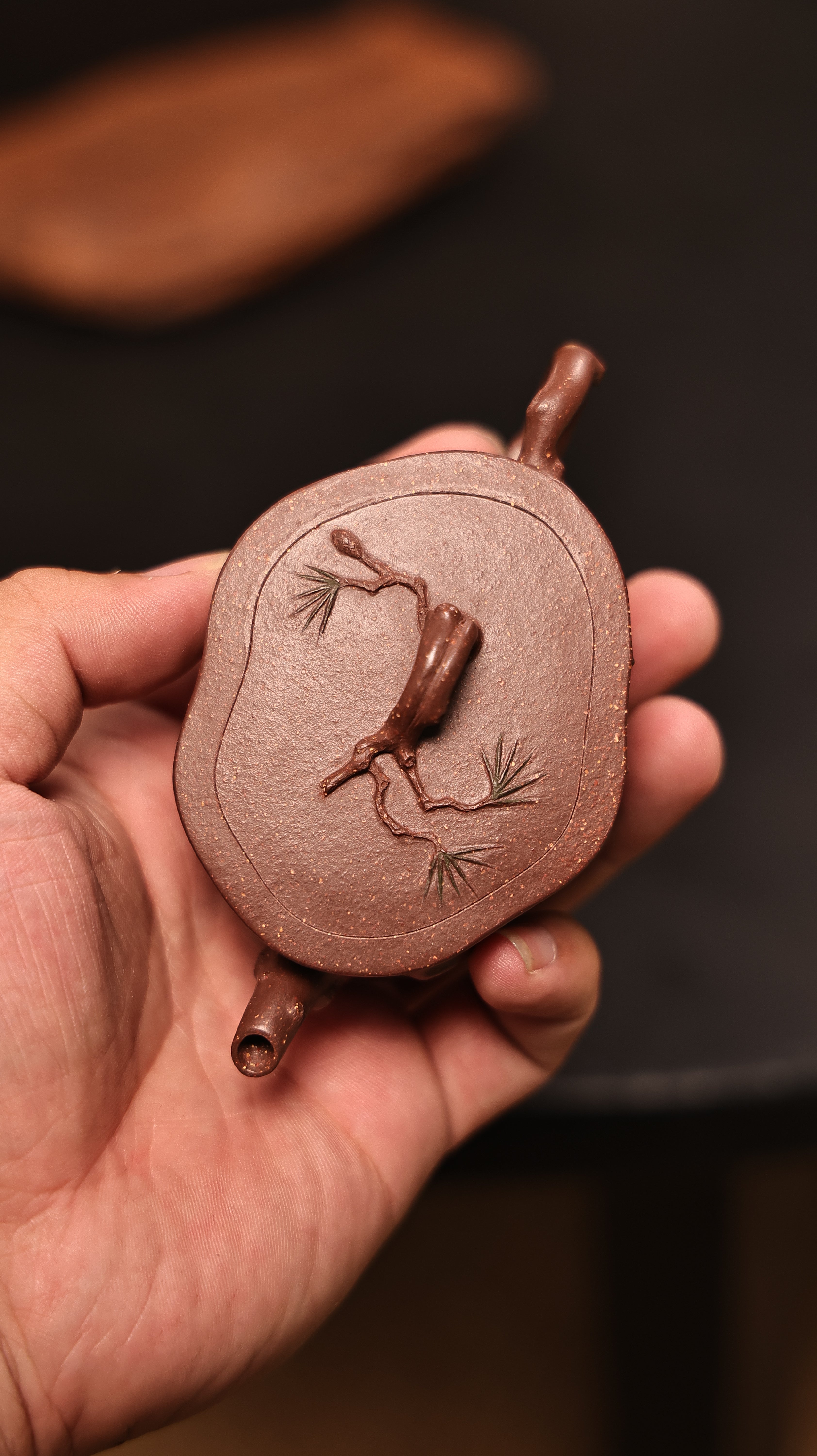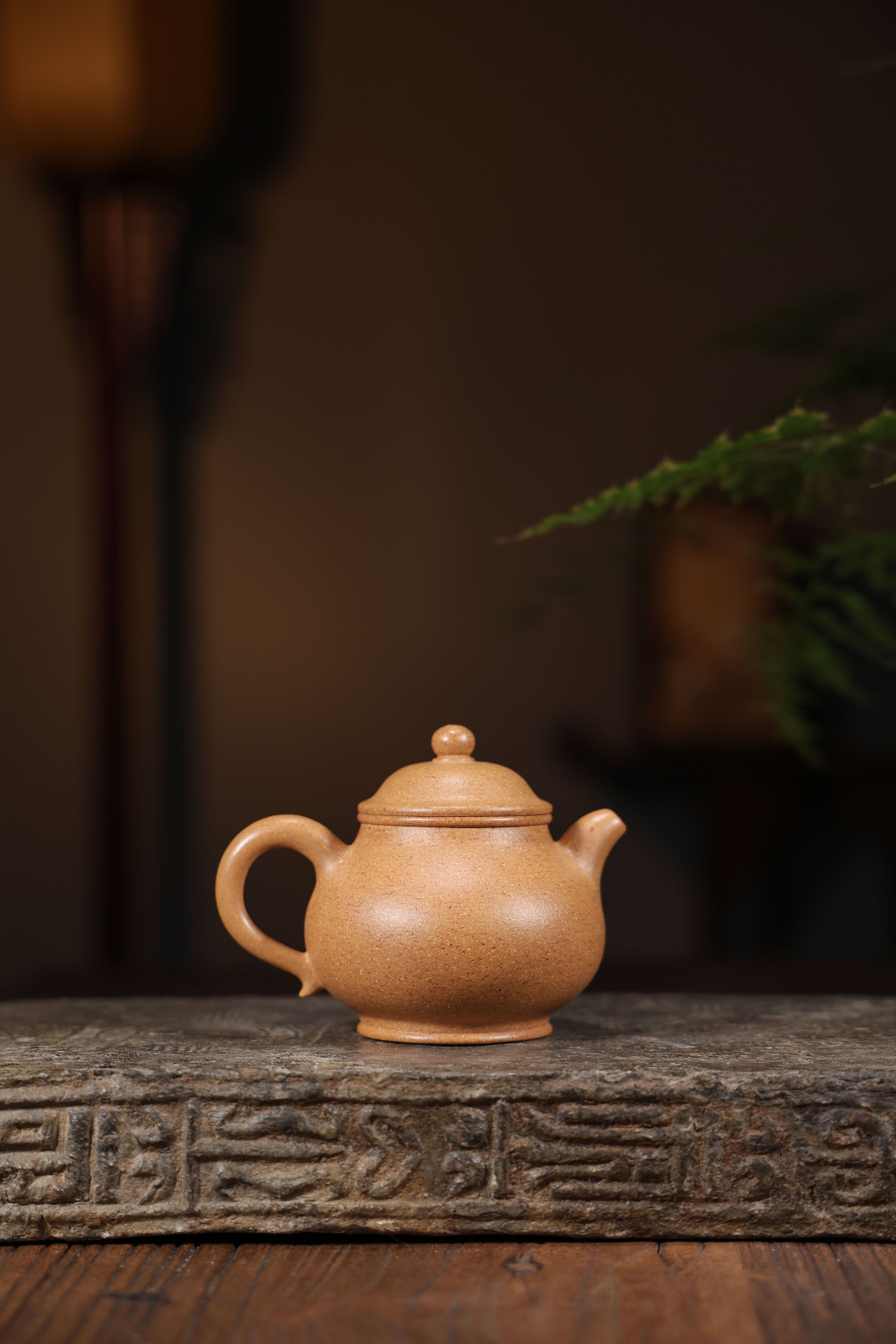
Lasting inheritance determines Zisha pottery via timespans,
Representing exclusive characteristics gathered amidst provincial heliotrope clays, these vessels evolve a coating across practice, improving aroma drawn from extracted drinks.
Exploring Yixing Dirt: Extensive Insights into Zisha
Varied collectors value the incomparable consistency of Yixing indigo clay, a bedrock of time-honored Chinese teaware. Emerging from the Yixing region of Jiangsu province, this exceptional clay boasts an intricate mineral form, in order that furnishes excellent qualities to the crafted wares. Kinds within Zisha, including Zhuni Mud, Duan Ni Mud, and Jiang Xi Mud, each has distinct casts, grains, and temperatures traits, altering the permeability and the ultimate accent maturation of the drink.
Far Eastern Pottery Cultures: Interpreting Technique
Sino teapots embody more mere urns for liquid; they embody centuries of cultural technique. From the celebrated Yixing clay variations, respected for their absorbent nature which conveys unmatched aromas to the brew, to the fine porcelain from Jingdezhen, each piece discloses a account of dedication. The forming process is an detailed journey, often relayed through lineages of artists. These artisans use traditional strategies such as hand-building, forming on wheels, and beautifying, demonstrating profound reverence for the element and the art itself. Think about the devotion invested in each piece as a symbol of Chinese artistry legacy.
- Eastern clay urns: a famous assortment.
- Elite ceramic teapots: known for their beautiful design.
- Forming techniques: a exacting yet gratifying procedure.
Chinese Zisha Jar Treatment: Safeguarding Your Adored Belonging
Appropriate tending of your cherished Yixing Zisha kettle is crucial to maintaining its condition. Crafted from recognizable purple sand soil, these exceptional teapots gain a appealing patina after application, markedly boosting their allure. Shun cleaning agents; a careful rinse with lukewarm moisture is efficient. Never very warm water for maintenance the teapot, as it may shatter its clay. Allow it to evaporate moisture away from harsh daylight. Consider breaking in your teapot regularly using superior tea, especially full-bodied varieties. Here is a brief instruction:
- Wash out with warm fluid.
- Resist agents.
- Allow it to dry fully.
- Mature with choice tea.
Ancestry of Yixing Teapots: From Humble Origins
The account of Yixing teapots originates unassumingly during the Yuan dynasty, roughly the 16th interval. Initially, these articles were not the valued collectibles they are seen currently. They were made by indigenous potters using the singular purple clay harvested solely in the Yixing vicinity. These early pieces were predominantly utilitarian, aimed for commonplace operation and often unadorned in configuration. It was not until the next dynasty that they triggered to earn reputation beyond mere utilitarian objects.
Opting For the Best Chinese Vessel: A Novice's Guide
Embarking the world of Yixing teapots can be difficult, but eschew worry! For first-timers, the fundamental factor is understanding the earth. Real Yixing clay is prized for its absorbency, allowing the teapot to capture the tea's tone over time, increasing every extracting session. Evaluate the design; traditional spherical shapes prevail, yet tailored preferences play a role. Lastly, observe the coating—while some favor an raw appearance, others appreciate a nuanced gloss. Take your time in the acquisition process—this is an acquisition in a valued piece of production.
Traditional Clay Containers and Their Effect on Chinese Beverage Lifestyle
Zisha urns, derived from Yixing, China, have profoundly influenced long-standing Chinese liquid culture. These Yixing clay teapots, prized for their recognizable tint, grain, and exceptional ability to impart a subtle accent to the liquid, are more than mere utensils; they are cherished masterpieces and symbols of eminence. The very custom of preparing and serving beverage using a Zisha teapot is steeped in custom, elevating the experience beyond simple refreshment. Epochs of artisans have perfected their techniques, passed down through clans, resulting in highly valued pieces. For this reason, Zisha teapots are frequently preserved, playing a crucial part in cultivating Sino appreciation for aesthetics and the process of tea ceremonies.
- Signature Clay Composition
- Imparting Subtle Flavor
- Exquisite Craftsmanship
Determining Verified Precious Local Vessels
Collecting a original Yixing teapot can be a beneficial experience, but the realm Yixing Zisha Teapot is often overrun with imitations. Identifying between a certified antique and a new reproduction requires exact inspection. Key indicators include the clay's auburn shade, often displaying tiger skin marks, and the shortage of modern firing imprints. The design should exhibit natural refinement, reflecting the traditional Yixing look. Finally, analyzing the creator's imprint is essential to verify validity against certified references.
- Assess the clay's structure.
- Look for inconsistencies, indicative of handcrafted quality.
- Engage an appraiser for endorsement.
Considering Purple Kettles: A Detailed Manual to Ceramics Appreciation
The world of Zisha Zisha objects exhibits a remarkable venture for experienced supporters. Consistently, the value of these artisanal artifacts is guided by diverse components, such as the rank of component, the expertise of the artisan, the artistic value, and, naturally, the existing supply. Learners should study on grasping the varied forms of Zisha clay—such as Icy Wave, Du Ning, and Hong Ni—and getting acquainted with the characteristics linked to each. Attentive review of the object's design, cast, and emblem is similarly fundamental to make experienced conclusions when investing.