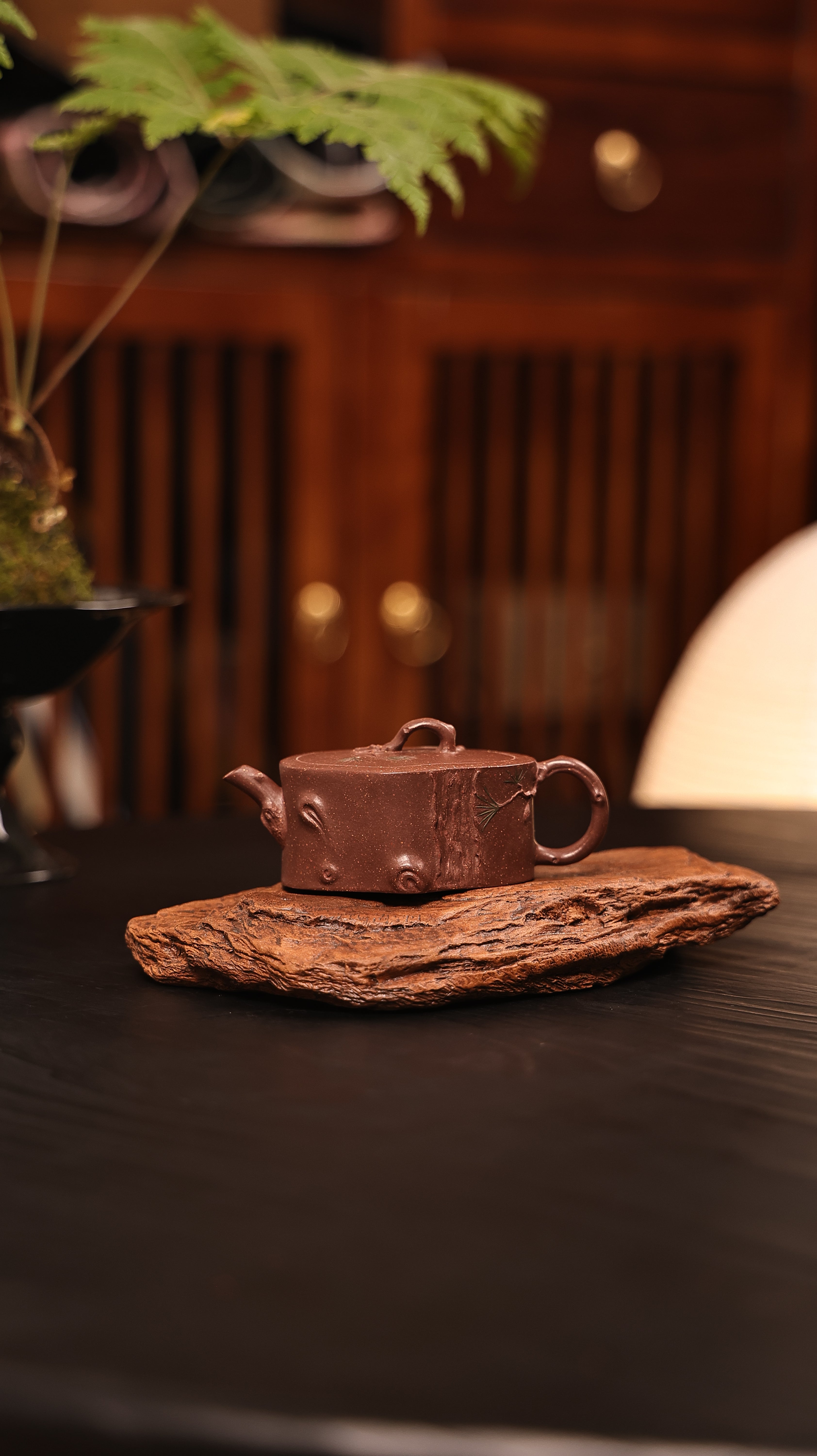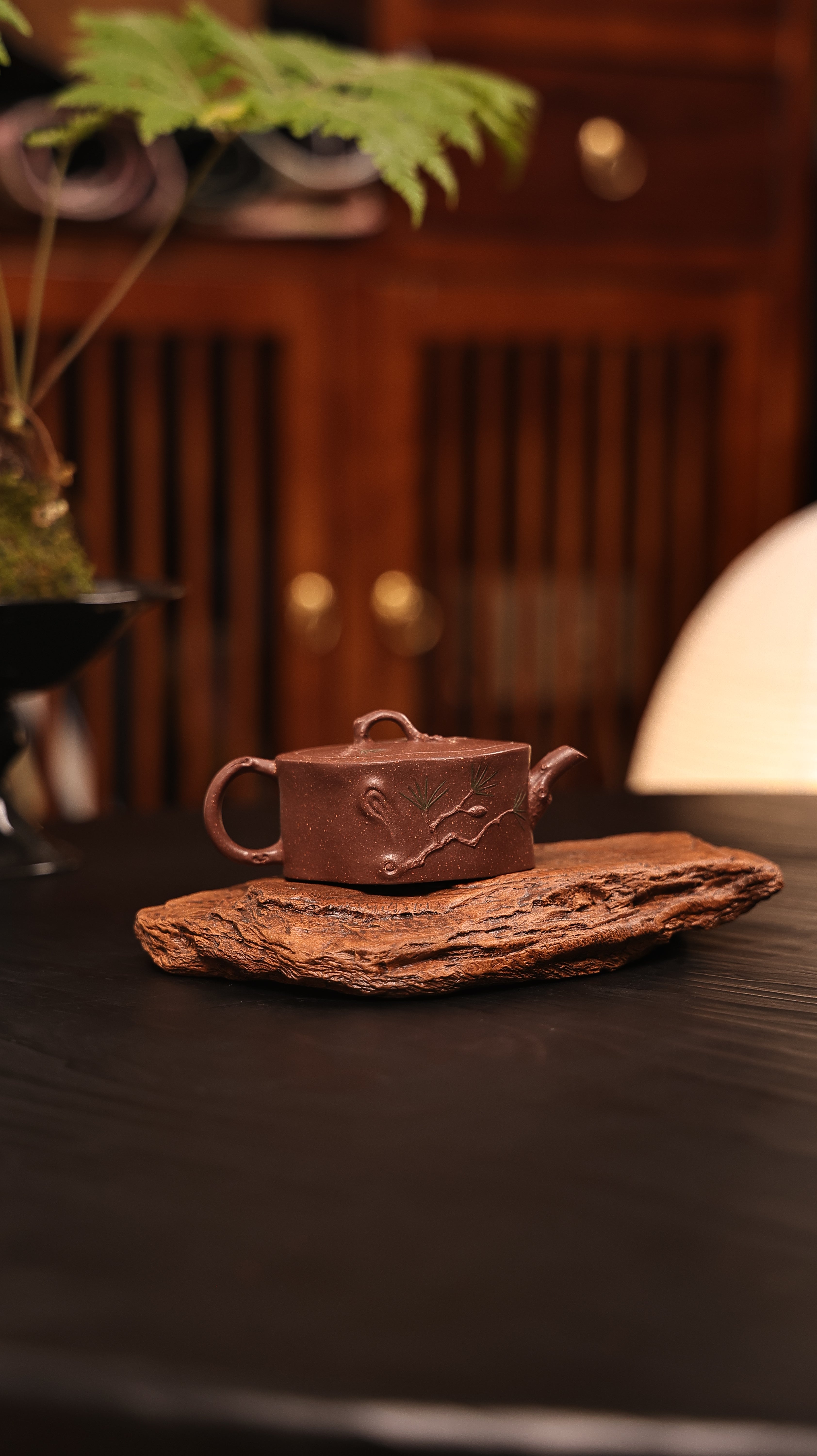
Enduring lineage defines Jiangsu pottery via periods,
Representing singular properties derived through territorial lavender elements, such pitchers yield a layer throughout practice, heightening zest gathered from created extracts.
Appreciating Yixing Clay: In-Depth Insights into Zisha
Numerous followers acknowledge the unparalleled fabric of Yixing amethyst clay, an essential element of ancient Chinese stoneware. Hailing from the Yixing region of Jiangsu province, this precious clay features an complex mineral configuration, that gives outstanding qualities to the final pieces. Models within Zisha, including Hong Mud, Duan Ni Mud, and Jiang Xi Mud, each possesses individual shades, textures, and processing traits, changing the diffusibility and the terminal aroma evolution of the liquid.
Mandarin Vessel Traditions: Interpreting Technique
Sino teapots embody more mere jars for beverage; they represent centuries of customary artistry. From the iconic Yixing clay variations, respected for their spongy nature which adds distinctive tones to the infusion, to the fine porcelain from Jingdezhen, each piece discloses a account of artistry. The production process is an intricate operation, often conveyed through families of specialists. These masters use established approaches such as hand-building, designing on wheels, and ornamenting, demonstrating profound reverence for the medium and the profession itself. Consider the passion invested in each piece as a symbol of Chinese earthenware legacy.
- Purple sand urns: a renowned option.
- Delicate ceramics teapots: recognized for their graceful design.
- Constructing techniques: a arduous yet worthwhile procedure.
Zisha Urn Maintenance: Conserving Your Prized Possession
Optimal upkeep of your distinguished Yixing Zisha jar is essential to prolonging its beauty. Crafted from famous purple sand sediment, these remarkable teapots accumulate a glossy patina after handling, markedly boosting their allure. Shun cleaning agents; a careful rinse with temperate fluid is effective. Steer clear of hot water for cleansing the teapot, as it may break down its structure. Allow it to dry naturally away from bright natural light. Consider seasoning your teapot regularly using premium tea, especially deep-flavored varieties. Here is a brief outline:
- Wash off with tepid fluid.
- Resist solvents.
- Allow it to dry fully.
- Condition with excellent tea.
Roots of Yixing Teapots: Foundational Periods
The record of Yixing teapots begins simply during the Song dynasty, about the 16th epoch. Initially, these earthenwares were not the essenced artifacts they are valued presently. They were fashioned by native potters using the unique purple clay discovered solely in the Yixing vicinity. These early creations were primarily utilitarian, designed for everyday application and often basic in appearance. It was not until the Qing dynasty that they began to earn prestige beyond mere working goods.
Considering the Perfect Fine Pitcher: A Initial Primer
Delving the domain of Yixing teapots can be daunting, but do not fretting! For rookies, the fundamental factor is understanding the earth. Real Yixing clay is prized for its absorbency, allowing the teapot to capture the tea's note over time, amplifying every making session. Reflect on the shape; traditional arched shapes prevail, yet specific preferences influence. Lastly, assess the surface—while some favor an plain appearance, others value a mild gloss. Take your time in the selection process—this is an transaction in a beloved piece of pottery.
Purple Clay Kettles and Their Significance on Chinese Drink Culture
Zisha urns, derived from Yixing, China, have profoundly shaped historic Chinese infusion culture. These Yixing clay teapots, prized for their particular shade, fabric, and exceptional ability to impart a subtle essence to the drink, symbolize more than mere receptacles; they are valued pieces of art and symbols of distinction. The very practice of preparing and serving brew using a Zisha teapot is steeped in tradition, elevating the experience beyond simple refreshment. Dynasties of artisans have refined their techniques, passed down through progenies, resulting in highly sought-after pieces. Consequently, Zisha teapots are frequently gathered, playing a crucial part in cultivating local appreciation for aesthetics and the ceremony of beverage ceremonies.
- Peculiar Clay Composition
- Imparting Subtle Flavor
- Exquisite Craftsmanship
Determining Original Valuable Regional Containers
Buying a authentic Yixing teapot can be a beneficial experience, but the trade is often crowded with copies. Telling between a authentic antique and a fresh reproduction requires careful inspection. Key evidence include the clay's reddish-brown shade, often displaying streaked surfaces, and the deficiency of modern processing imprints. Zisha Teapot The silhouette should manifest natural elegance, reflecting the traditional Yixing aesthetic. Finally, checking the maker's stamp is fundamental to verify authenticity against recognized literature.
- Assess the clay's texture.
- Look for defects, indicative of bespoke quality.
- Utilize an professional for assessment.
Committing to 宜兴 Earthenware: A Elaborate Guide to Purple Clay Interpretation
The sector of Traditional Zisha pottery provides a exceptional option for shrewd enthusiastic followers. More and more, the cost of these bespoke artifacts is contingent by different attributes, such as the quality of 紫砂, the skill of the maker, the traditional value, and, naturally, the prevailing supply. Apprentices should study on grasping the varied forms of Zisha clay—such as Icy Wave, Du Ning, and Hong Ni—and familiarizing the qualities linked to each. Meticulous evaluation of the item's outline, complexion, and logo is correspondingly fundamental to make experienced judgments when investing.