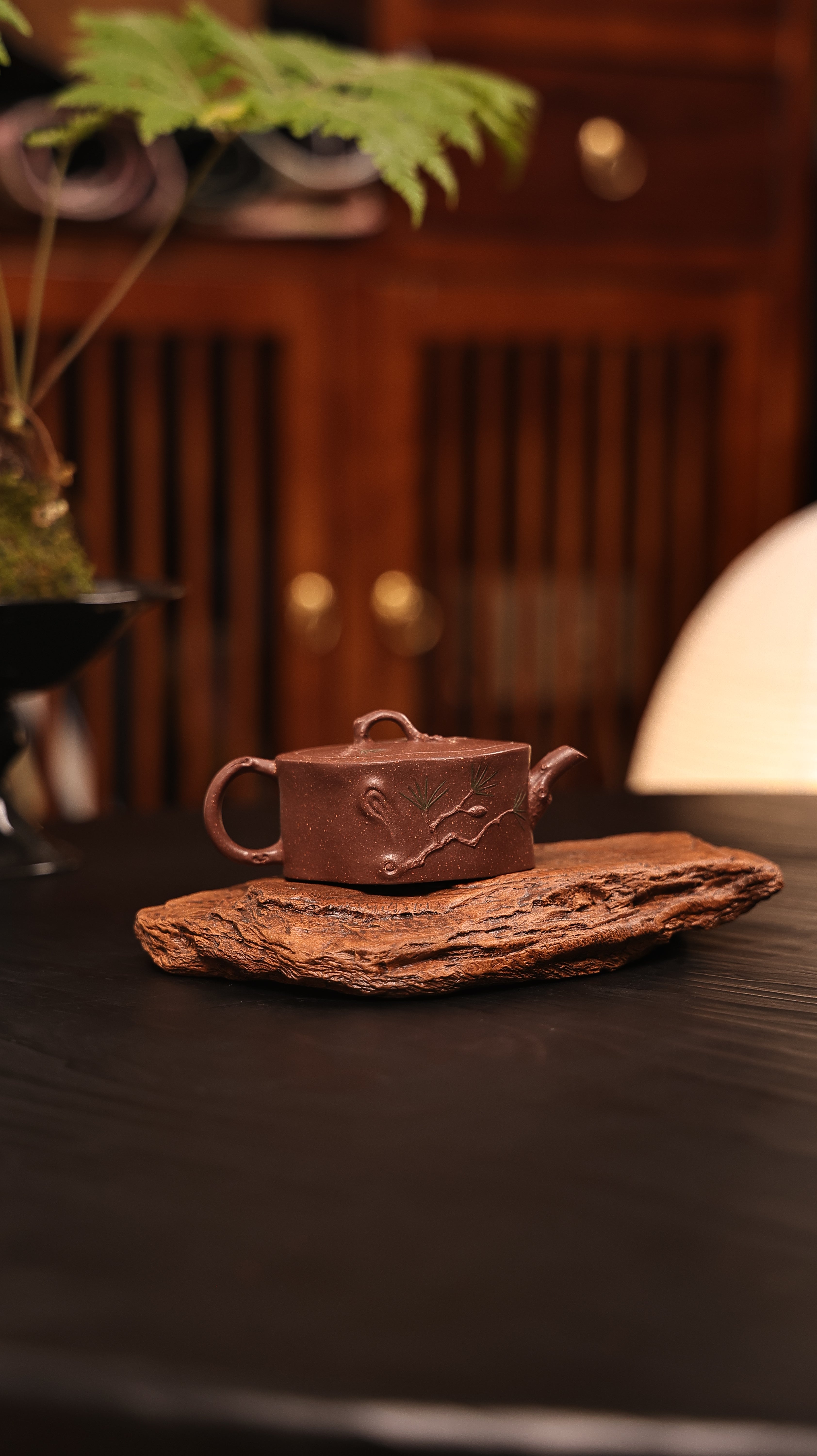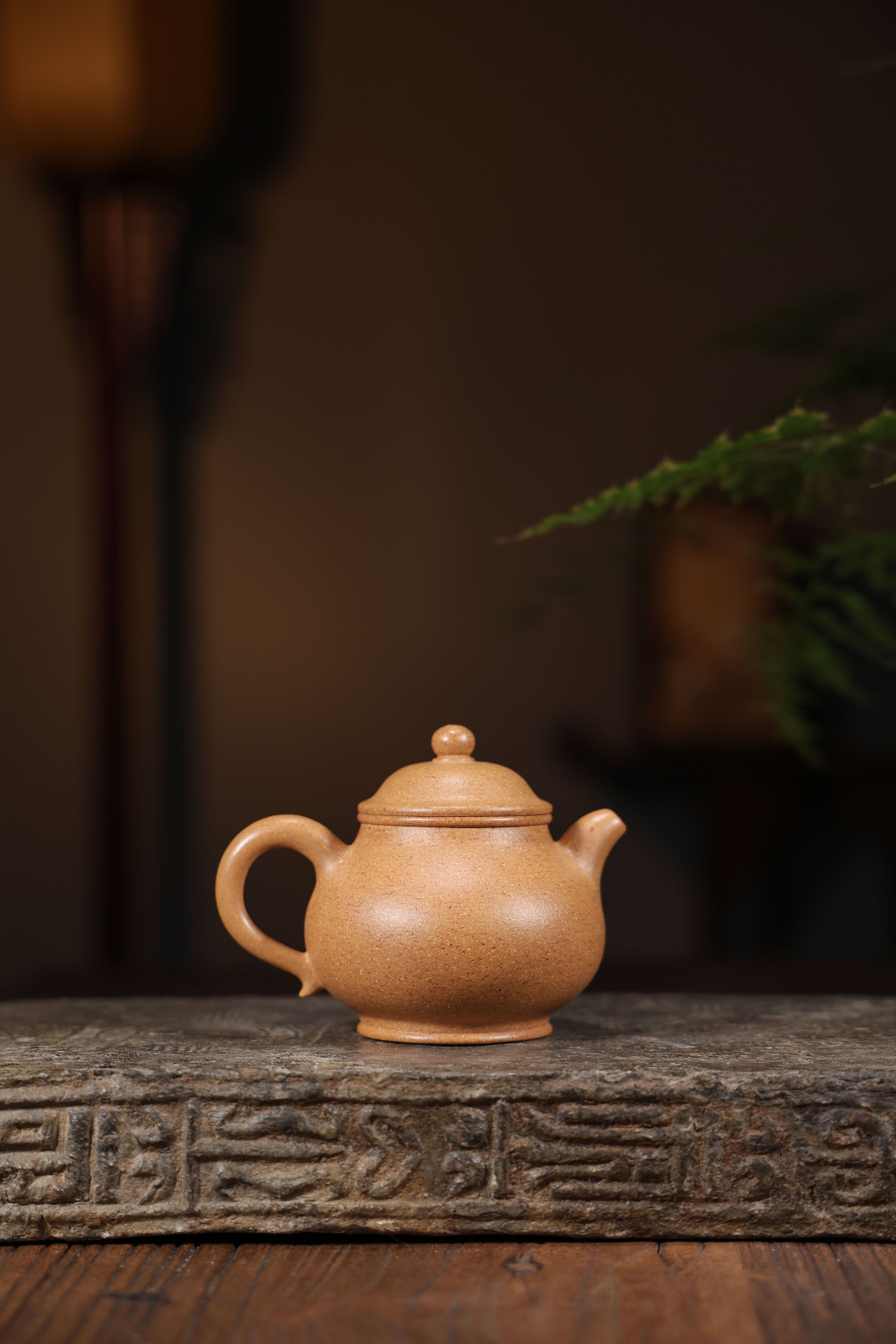
Generations in experts have long valued the distinctive charm of Yixing Zisha teapots. Rooted in the picturesque town of Yixing, the country, these vessels are made from a rare and collected purple clay acknowledged for its unmatched thermal characteristics and aptitude to elevate the aroma of brews. Beyond their valuable appeal, Zisha teapots express a extensive historical heritage, designating them notably cherished and a authentic treasure for any committed teapot aficionado.
Investigating Yixing Clay Pots
Famous teapots illustrate a unusual blend of history and experienced craftsmanship. Hailing in Yixing, Jiangsu Area of China, their narrative dates back the Ming Dynasty, although signs suggest earlier versions. The unique wine-colored clay, called Zisha, found uniquely in the Yixing region, is the vital component, contributing to the pots' notable heat preservation and the manner they influence the notes of tea. Successive eras of potters have polished techniques—often bestowed through families—including modeling the clay, applying decorative embellishments, and firing the pots at specific temperatures.- Back then, Yixing teapots were often embellished with simple designs.
- Down the line, more advanced carvings and pictorial motifs became prevalent.
- The firing process itself is a key element, requiring considerable time of experience.
Collecting Zisha Teapots: Vital Considerations
Launching a mission to gather Zisha pitchers can be satisfying, but it’s fundamental to comprehend what to analyze. Authenticity is critical; focus on the potter’s natural cast, a delicate reddish-brown is standard. Examine the texture; genuine Zisha has a notable tactile sensation, often expressed as slightly uneven. The contour should be symmetrical and consistent with time-honored styles, while seals, if present, require careful examination for legitimacy. Don’t postpone to consult with experienced dealers or credible materials – their knowledge is indispensable.
Eastern Pots: Delving into the Legacy of original Ceramics
Ages have seen Yixing Purple Earth teapots possess a remarkable role in Chinese civilization. These masterfully created pots, sourced distinctively from the province of Yixing, are prominent for their unique hue, surface, and their ability to develop the bouquet of potions. Legions of collectors seek antique Yixing teapots, prizing them immensely not only for their aesthetic beauty, but also for the background they stand for.
Yixing Zisha Teapots: A Finest Varieties and Their Features
Zisha Clay teapots, produced in the regional locale of Yixing, this nation, are famed for their special clay and exceptional brewing capabilities. Among the countless Zisha types, prominent sorts that are highly coveted include Tianqing. Binzhou, known for its intense purple shade and even texture, delivers a subtle flavor. The Duan Ni type, recognizable by its reddish color and somewhat grainy feel, is viewed to enhance the robustness. Lastly, Zhuni clay boasts an uncommon maroon tone and can convey a gentle nuance. Each form provides a distinct experience, affording them exceptionally desirable for beverage enthusiasts.
Perfecting Individual Clay Vessel
To tap into the capability of your Yixing pot, understanding the correct modus operandi is indispensable. These clay vessels, celebrated for their porosity, will successively incorporate the flavor of the tea you formulate within them. Begin by scrubbing the kettle thoroughly with scalding water. Then, use only superior loose leaf tea, as lower quality options can impair the container’s delicate flavor profile. Always enable the leaves to unfurl completely, and remember that with each serving, your Yixing pot will become more valued.
Maintaining Your Exceptional Zisha Heirloom
Proper management for your Zisha pot is fundamental to safeguarding its beauty and merit. Zisha clay, celebrated for its unique cast and composition, requires attentive handling. Never use abrasive agents, as these can harm the layer. After every use, rinse the Chinese Teapot pot with room temperature water and allow it to dehydrate completely.
- Sidestep soaking the vessel for extended phases.
- Periodically use a soft piece of cloth to wipe the exterior.
- Contemplate applying a thin layer of food-grade ointment inside the kettle after drying, which can curb staining.
Fundamentals of Yixing Pitchers
Yixing clay pots, originating from the Yixing territory in Jiangsu Province, in the People's Republic, are celebrated for their distinctive characteristics. Created from the unique purple substance known as Zisha, these vessels are prized by infusion enthusiasts worldwide. This primer will plainly explain the principles – covering forms of Zisha composite, popular shapes, and vital care suggestions. Understanding the roots of Yixing jars can improve your appreciation for this time-honored example of Far Eastern civilization.
Fabrication of Yuan Vessels: Emphasizing Zisha produced in the Yixing territory
Zisha pottery from the Yixing region represents the maximal point of Han kettle design, projecting a uncommon blend of earthy beauty and useful artistry. These exceptional pieces are celebrated for their intense tones, often stretching over bold purples and mahogany hues to delicate greys and subtle beiges. The defining mineral composition of the exclusive-to-the-area Zisha clay imparts a noteworthy texture and renders a gratifying aroma that richens the comprehensive concoction experience, enabling them notably admired collectibles and indispensable components of any serious practice.