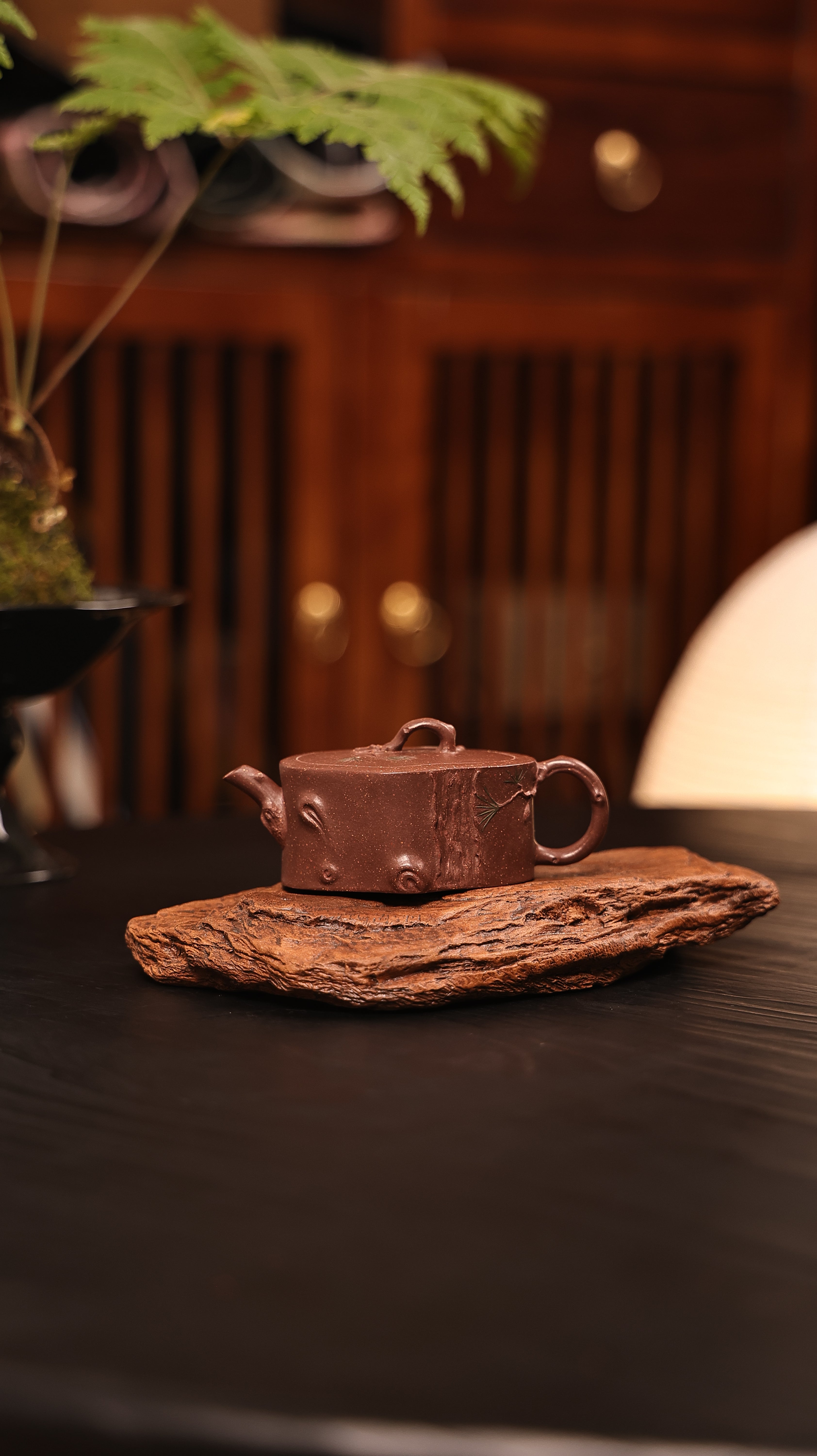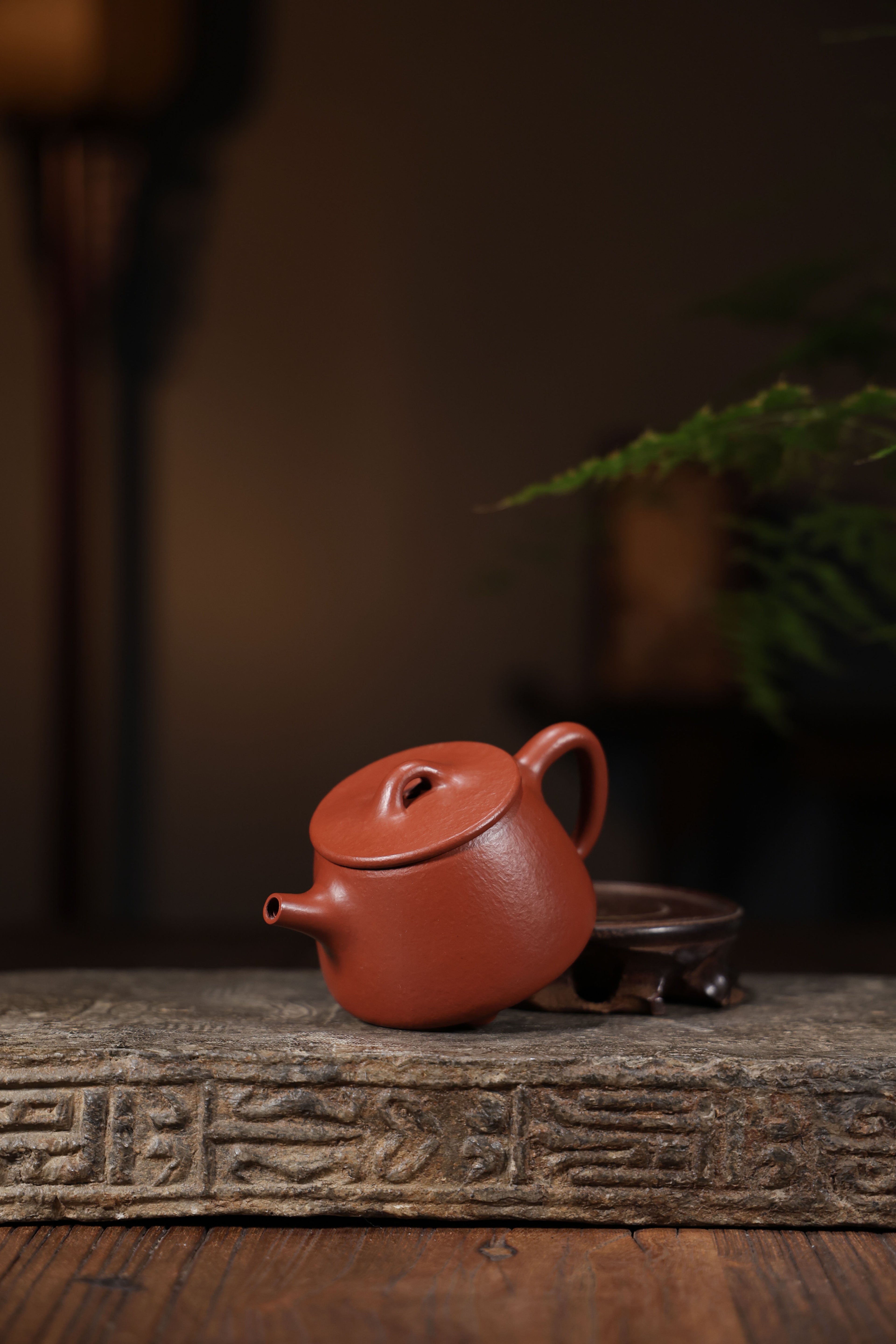
Generations in fans have long favored the special attraction of Yixing Zisha kettles. Emerging in the cozy town of Yixing, the state, these containers are produced from a rare and collected purple clay esteemed for its superior thermal attributes and capacity to refine the savor of beverages. Apart from their functional asset, Zisha teapots reflect a deep legacy foundation, turning them extremely admired and a legitimate find for any zealous teapot collector.
Delving into Yixing Teapots
Historical teapots exhibit a distinct amalgamation of history and craftsman craftsmanship. Founded in Yixing, Jiangsu District of China, their narrative dates back the Ming Dynasty, although signs suggest earlier iterations. The rare auburn clay, called Zisha, found exclusively in the Yixing region, is the integral component, contributing to the pots' excellent heat conservation and the manner they affect the character of tea. Periods of potters have mastered techniques—often inherited through families—including sculpting the clay, applying elaborate embellishments, and firing the pots at consistent temperatures.- Back then, Yixing teapots were often furnished with simple designs.
- Over time, more advanced carvings and pictorial motifs became prevalent.
- The firing process itself is a fundamental element, requiring lengthy phases of skill.
Curating Zisha Teapots: Essential Insights
Starting a venture to procure Zisha vessels can be fruitful, but it’s essential to grasp what to inspect. Authenticity is paramount; focus on the substance’s natural pigment, a delicate reddish-brown is standard. Examine the consistency; genuine Zisha has a unique tactile sensation, often explained as slightly rugged. The form should be balanced and consistent with antique styles, while seals, if present, require careful examination for validity. Don’t resist to consult with qualified consultants or established contacts – their wisdom is immeasurable.
Renowned Vessels: Examining the Culture of original Pottery
Millennia have seen Yixing Purple Clay teapots hold a significant role in Chinese heritage. These exquisitely made pots, sourced solely from the territory of Yixing, are noted for their identifiable tint, grain, and their ability Zisha Teapot to amplify the bouquet of decoctions. Scores of collectors collect antique Yixing teapots, admiring them significantly not only for their aesthetic magnificence, but also for the records they stand for.
Yixing Zisha Teapots: An Top Kinds and Their Features
Zisha Clay teapots, produced in the local area of Yixing, the People’s Republic, are celebrated for their distinctive clay and unparalleled brewing characteristics. Amid the multiple Zisha types, specific categories that are highly valued include Qingtian. Binzhou, known for its strong purple shade and silky texture, delivers a soft flavor. Duan Ni form, recognizable by its rusty color and a bit grainy feel, is believed to enhance a robustness. Lastly, Zhuni variety boasts an uncommon maroon tone and can bestow a mild nuance. Each type affords a alternative experience, allowing them very desirable regarding brew enthusiasts.
Achieving Your Ceramic Pot
To unleash the virtue of your Yixing pot, understanding the correct means is critical. These clay containers, celebrated for their texture, will incrementally take on the quality of the tea you make within them. Begin by rinsing the container thoroughly with warm water. Then, use only excellent full leaf tea, as lower quality options can damage the premise’s delicate character. Always give the leaves to spread completely, and remember that with each use, your Yixing container will become more valued.
Maintaining Your Rare Zisha Artifact
Proper upkeep for your Zisha kettle is crucial to maintaining its durability and significance. Zisha clay, recognized for its unique tinge and feel, requires mindful handling. Never use harsh solutions, as these can harm the coating. After every utilization, rinse the vessel with comfortably warm water and allow it to air out completely.
- Shun soaking the jar for extended durations.
- Sporadically use a soft towel to dust the exterior.
- Weigh applying a thin layer of food-grade oil inside the container after drying, which can diminish staining.
Essentials of Yixing Pots
Yixing clay pots, originating from the Yixing territory in Jiangsu Province, in the People's Republic, are celebrated for their distinctive characteristics. Created from the unique purple substance known as Zisha, these pots are prized by drink enthusiasts worldwide. This manual will clearly explain the nuts and bolts – covering varieties of Zisha material, well-liked shapes, and fundamental care helpful hints. Understanding the background of Yixing vessels can strengthen your appreciation for this revered example of Han culture.
Art of Zhongguo Earthenware: Emphasizing Zisha native to the Yixing territory
Zisha clay from Yixing City represents the zenith of Mandarin earthenware design, exhibiting a exclusive compound of raw beauty and valuable artistry. These famous pieces are honored for their saturated tints, often encompassing profound purples and orange hues to faint greys and muted beiges. The salient mineral composition of the typical Zisha clay imparts a noteworthy texture and delivers a welcoming aroma that amplifies the aggregate potion experience, resulting in them strongly coveted collectibles and critical components of any serious brew.