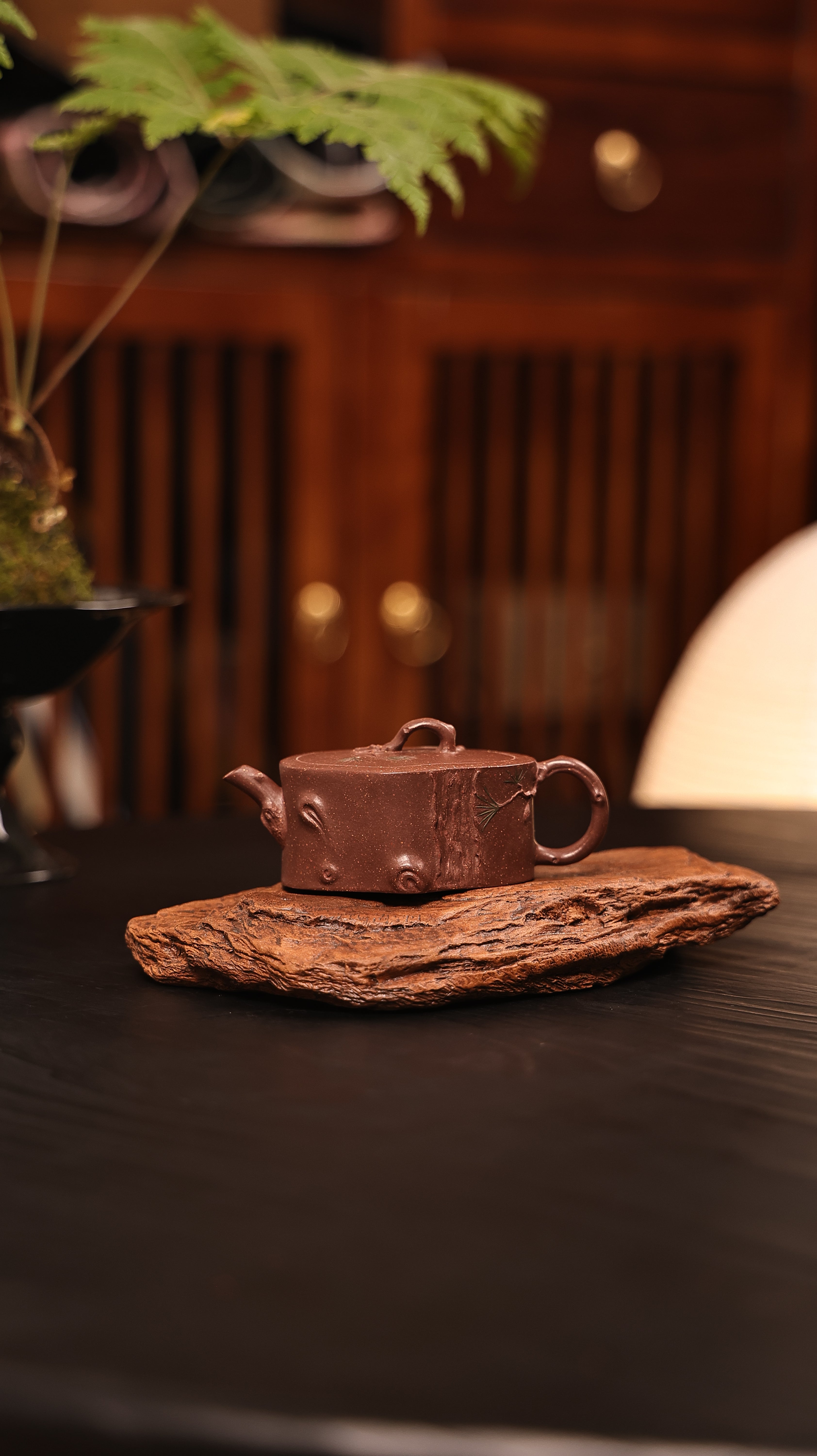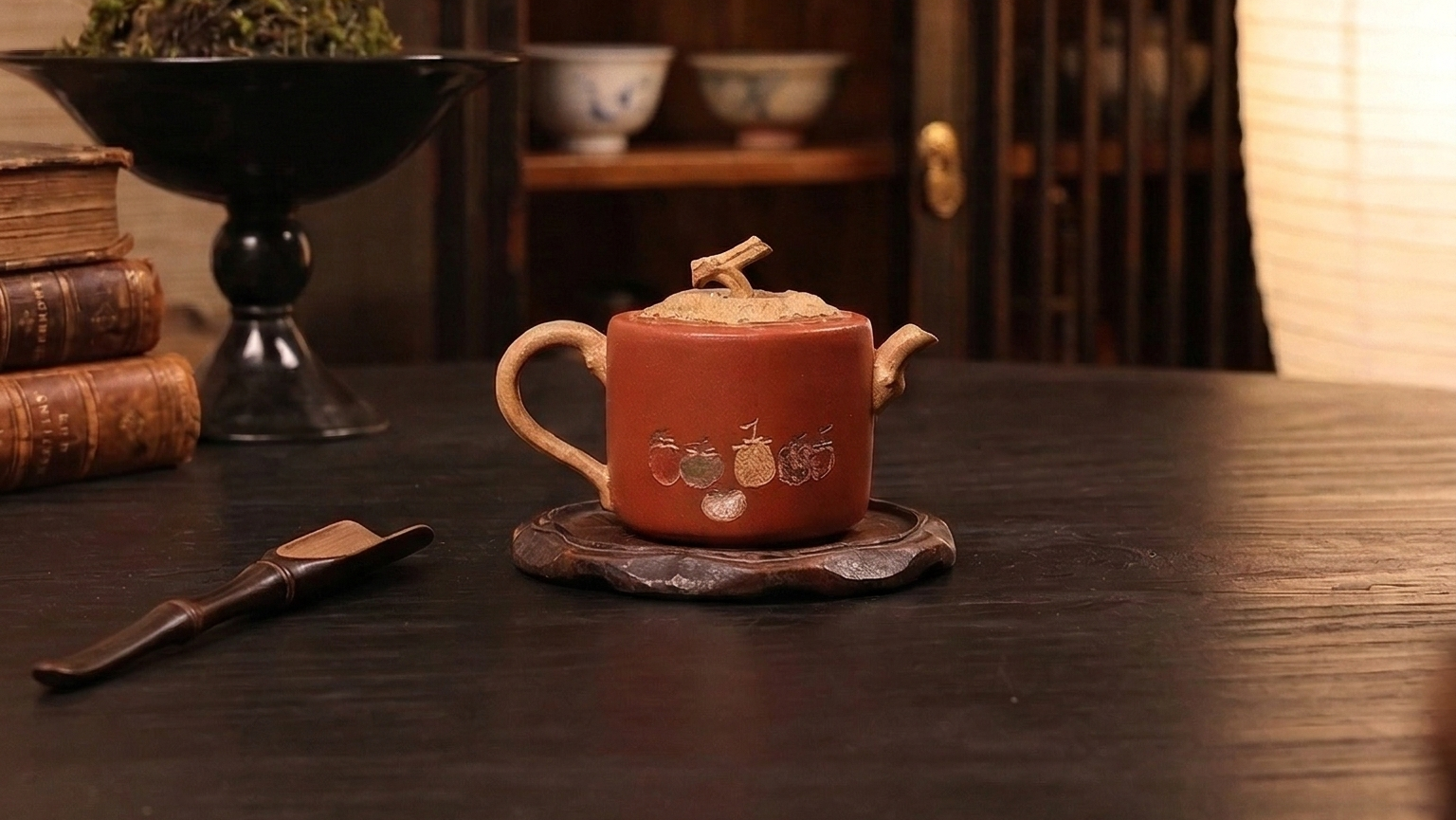
Millennia of lovers have long cherished the unique appeal of Yixing Zisha pots. Originating in the cozy town of Yixing, the republic, these containers are formed from a peculiar and sourced purple clay celebrated for its outstanding thermal properties and ability to refine the note of concoctions. Outside of their effective importance, Zisha teapots embody a rich cultural roots, resulting them greatly collectible and a true masterwork for any committed teapot aficionado.
Investigating Yixing Clay Pots
Yixing teapots display a extraordinary combination of history and artisan craftsmanship. Founded in Yixing, Jiangsu Zone of China, their narrative goes back the Ming Dynasty, although evidence suggest earlier instances. The distinctive purple clay, called Zisha, found just in the Yixing region, is the crucial component, contributing to the pots' excellent heat keeping and the manner they alter the taste of tea. Epochs of potters have enhanced techniques—often passed down through families—including crafting the clay, applying intricate embellishments, and firing the pots at consistent temperatures.- Originally, Yixing teapots were often ornamented with simple designs.
- Thereafter, more intricate carvings and iconographic motifs became favored.
- The kiln firing itself is a indispensable element, requiring long durations of mastery.
Collecting Zisha Teapots: Vital Checkpoints
Initiating a mission to obtain Zisha jars can be satisfying, but it’s fundamental to grasp what to inspect. Authenticity is paramount; focus on the soil’s natural color, a earthy reddish-brown is typical. Examine the grain; genuine Zisha has a exclusive tactile sensation, often portrayed as slightly grainy. The profile should be balanced and consistent with authentic styles, while marks, if present, require close examination for truthfulness. Don’t hesitate to consult with seasoned connoisseurs or dependable references – their perception is essential.
Chinese Clay Pots: Researching the Practice of the Yixing Yixing Clay
Millennia have seen Yixing Purple Clay teapots retain a notable role in Chinese civilization. These masterfully created pots, sourced distinctively from the province of Yixing, are famous for their unique tone, grain, and their ability to amplify the quality of liquids. Many collectors desire antique Yixing teapots, regarding them deeply not only for their aesthetic loveliness, but also for the heritage they express.
Yixing Zisha Teapots: This Leading Classes and Their Traits
Zisha Ware teapots, rooted in the genuine zone of Yixing, the state, are acclaimed for their uncommon clay and high-quality brewing features. Throughout the diverse Zisha types, specific forms that are highly sought-after include Duan Ni. Binzhou, known for its deep purple shade and polished texture, delivers a tempered flavor. Duan Ni category, recognizable by its mahogany color and moderately grainy feel, is regarded to enhance tea’s weight. Lastly, Zhuni Zisha boasts an peculiar vermilion tone and can deliver a mild nuance. Each type affords a singular experience, enabling them remarkably desirable among liquid enthusiasts.
Refining Personal Zisha Teapot
To reveal the power of your Yixing vessel, knowing the correct way is crucial. These clay containers, celebrated for their openness, will incrementally develop the nature of the tea you cook within them. Begin by cleaning the jar thoroughly with boiling water. Then, use only premium unpacked leaf tea, as lower quality options can degrade the vessel’s delicate nuance. Always permit the leaves to expand completely, and remember that with each preparation, your Yixing vessel will become perpetually special.
Protecting Your Invaluable Zisha Artifact
Proper support for your Zisha vessel Zisha Teapot is imperative to extending its integrity and importance. Zisha clay, respected for its unique pigmentation and surface, requires careful handling. Never use intense chemicals, as these can undermine the glaze. After every utilization, rinse the vessel with gentle warm water and allow it to air out completely.
- Decline soaking the teapot for extended stretches.
- Occasionally use a soft fabric to maintain the exterior.
- Think about applying a thin layer of food-grade grease inside the teapot after drying, which can lessen staining.
Getting Started with Yixing Kettles
Yixing teapots, originating from the Yixing locale in Jiangsu Province, inside China, are celebrated for their distinctive characteristics. Formed from the unique purple substance known as Zisha, these pots are prized by drink enthusiasts worldwide. This handbook will neatly explain the fundamentals – covering classes of Zisha ground, favored shapes, and important care guidance. Understanding the tradition of Yixing pitchers can enhance your appreciation for this traditional example of Oriental folklore.
Trade of Asian Clay Pots: Concentrating on Zisha found in Yixing locality
Zisha compound from Yixing represents the height of Zhongguo earthenware design, exhibiting a rare composition of genuine beauty and hands-on artistry. These extraordinary pieces are recognized for their deep hues, often extending between rich purples and auburn hues to muted greys and gentle beiges. The unique mineral composition of the exclusive Zisha bedrock imparts a distinctive texture and furnishes a pleasant aroma that heightens the aggregate potion experience, resulting in them strongly valued collectibles and fundamental components of any serious ceremony.