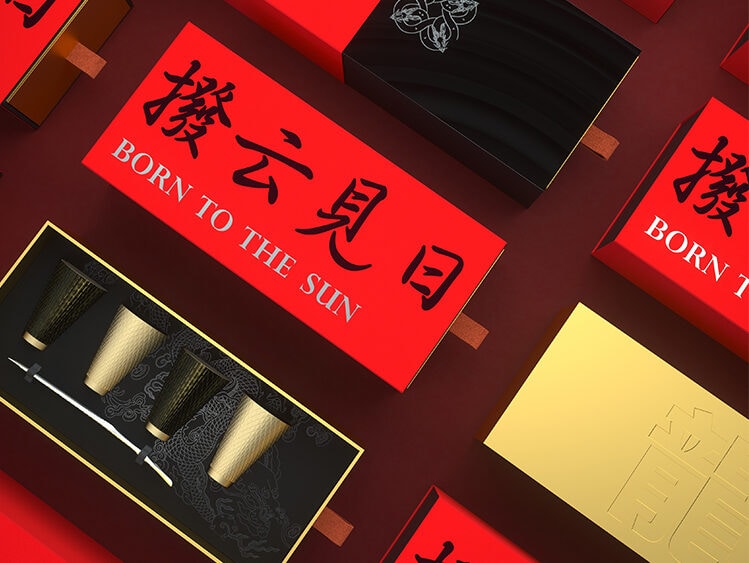
Ceramic sculpture shows a exceptional practice form with a prolonged record, spreading back numerous of generations. From ancient canisters to contemporary placements, the component offers unparalleled possibilities for creative demonstration. Sculptors utilize different techniques – including molding, wheel manipulating, and enhanced firing processes – to mold humble mud into captivating three-dimensional artifacts. The robustness of fired ceramic also contributes to its status as a truly important part of human tradition.
Analyzing Porcelain Sign Compositions and Techniques
The realm of ceramic panel design offers a broad array of inventive possibilities. Artisans often exercise a integration of ancestral and up-to-date techniques to develop visually bold pieces. These can move from simple, shaped reliefs to complex, multi-layered compositions. Common methods include the slip cast process, hand shaping, enameling – which can involve several approaches like primary coloration, applying decoration after firing, and scratched decoration where designs are exposed by removing a layer of coating. Further exploration into outer appearances such as raku and lustre decoration can yield truly rare and specialized clay markers.
- The slip cast process - Forming pieces using a frame
- Physical Construction - Meticulously shaping the soil
- The glaze process - Applying the shell with a glossy finish
- Incised pattern - Uncovering designs by eroding films
Captivating Experiences: Ceramic Art Showcases
The growing landscape of art presents exciting modern avenues for spectators, and ceramic art installations are at the leading edge of this progression. These aren't just static works; they are crafted to envelop the audience member in a sensory setting. Imagine walking through a forest of towering, decorated ceramic trees, or navigating a network of refined ceramic vessels. Many craftsmen are now incorporating sound, brightness, and even perfume to enhance the vibe of their work. Reflect on the power of a room filled with hundreds of uniquely ceramic artifacts, each telling a account. Often, such installations study themes of nature, nostalgia, and humankind.
- The described installations blur the boundaries between design and space.
- Engaging with a ceramic art installation can be a deeply intimate journey.
- Artisans are extending the frontiers of what is possible with clay.
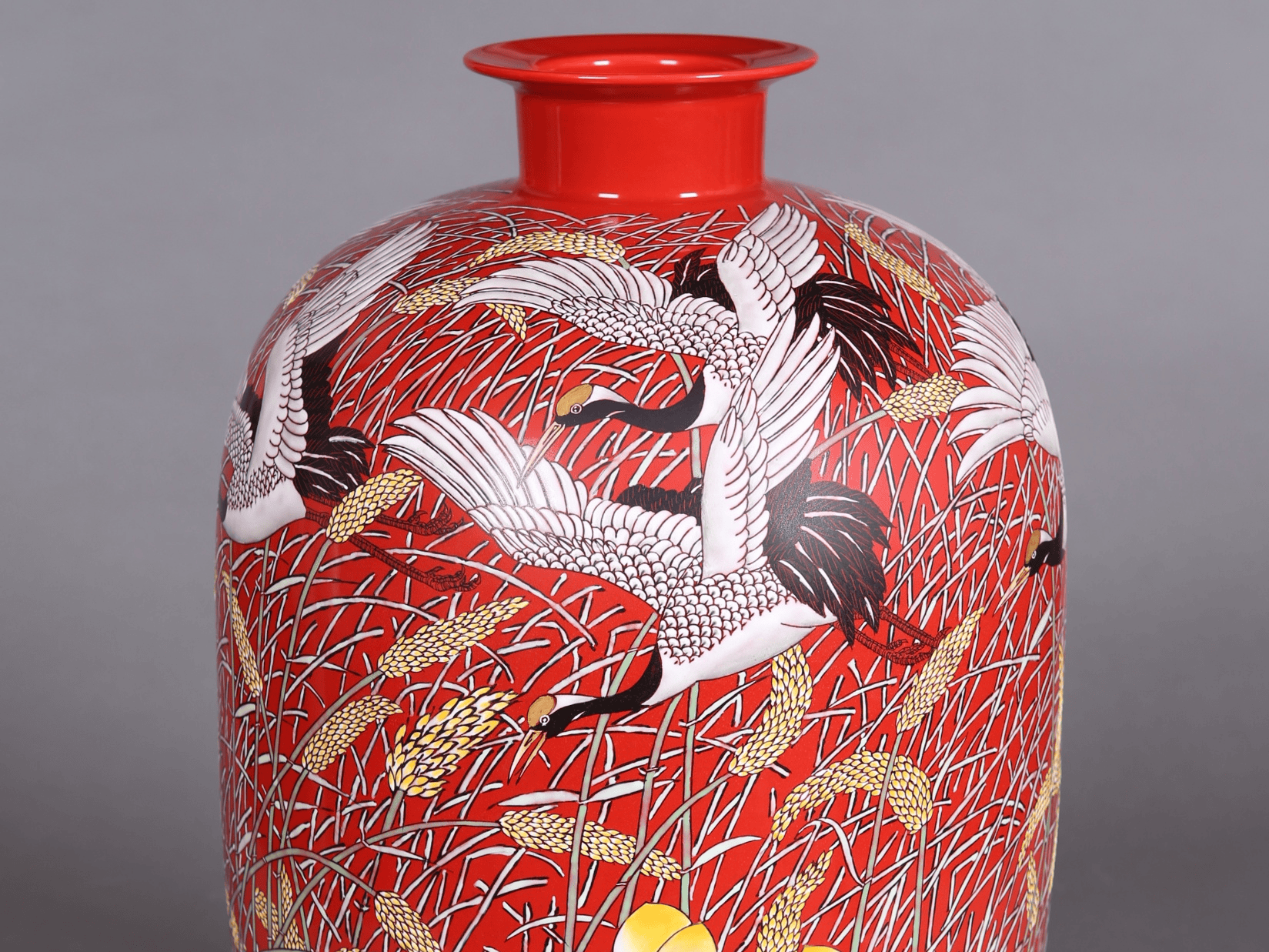
One Radiance of the Pottery Receptacle: Use and Outline
The ceramic urn represents a distinctive fusion of convenience and artistic appeal. Historically, these holders served a primary role in supporting objects, but their development has transformed them into highly valued works of expression. Each artifact showcases the skill of the artisan, demonstrating how outline can be as important as use. The attentive shaping, the rare glazes, and the general presence of a expertly-built holder can raise a space, offering both elegance and a modest reminder of the designer’s hand.
Modern Earthenware Figure : Testing Boundaries
Current earthenware figure represents a fascinating transformation from ancestral practices. Creators are boldly exploring with original procedures, questioning the boundaries between artwork and distinct aesthetic categories. From considerable installations to intricate miniature pieces, such works investigate themes of environment while concurrently revolutionizing the core of what stoneware can become. The byproduct is a active environment of inspired presentation.
Terracotta Panel: Conserving Chronicle in Porcelain
Stoneware plaques offer a uncommon method for capturing significant events and persons. Contrasted with traditional metal or stone markers, these resilient pieces of design are formed from hardened clay, creating a tangible ceramic cup link to the past. Typically, they highlight intricate bas-reliefs or delicately designed imagery, expressing stories that might otherwise be ignored. Such technique, originating in ancient civilizations, provides a lovely and eternal way to recognize our collective legacy.
- They can be disposed in collective spaces.
- Various are now regarded historical artifacts.
Porcelain Art Arrangements: Changing Areas
Terracotta art installations are arising a compelling medium for builders to transform public and private spaces. These immersive works frequently involve significant clay structures that captivate viewers, reshaping their understanding of the constructed environment. By infusing diverse tactics like hand fabrication and intricate firing tactics, ceramic artists construct truly distinctive experiences, erasing the divisions between work and setting. The effect is often a stirring modification that improves the visual quality of the venue and inspires discussion.
Origin Lathe to Beauty: The Trade of the Earthenware Receptacle
The journey of a terracotta pot from a simple lump of loam to a finished work of mastery is a testament to human ingenuity. Previously, the process kicks off with the potter’s turntable, where the expert artisan forms the twisting clay into a cylindrical figure. This foundational process demands clearness and a keen eye, followed by a delicate curing period. Once soft-fired, the pot is ready for enhancement, which may embrace applying intricate ornaments, fashioning detailed pictures, or employing a multitude of coatings. The concluding treating process then transforms the object into a durable and eye-catching pot, a tangible manifestation of the artist's passion.
Pottery with Pottery: A Course to Porcelain Art
Entering the domain of terracotta composition begins with understanding the fundamentals of carving with stoneware. A practice involves methodically assembling and carving elements to produce three-dimensional structures. If you're a beginner or a experienced craftsperson, trying with diverse classes of stoneware – specifically clay – will facilitate you identify your special manner. In conclusion, porcelain shaping is a worthwhile quest that merges skilled talent with inventive demonstration.